FWD:labs

Blog


An editor by day, filmmaker Tony Zhou has a series of videos that are both entertaining and educational, especially “A Brief Look at Texting and the Internet in Film.” In it, he’s taken excerpts of films from the last decade and provided a voiceover commentary to his compilation about which highlights how the portrayal of text messaging and the internet on screen has evolved.

[vimeo]https://vimeo.com/103554797[/vimeo]

According to Zhou, the best examples utilize motion graphics rather than literal shots of phones and screens. Sometimes the text is by itself and sometimes it’s wrapped in bubbles, emulating the user interface design of various apps we’ve come to recognize.

bbc-sherlock-holmes

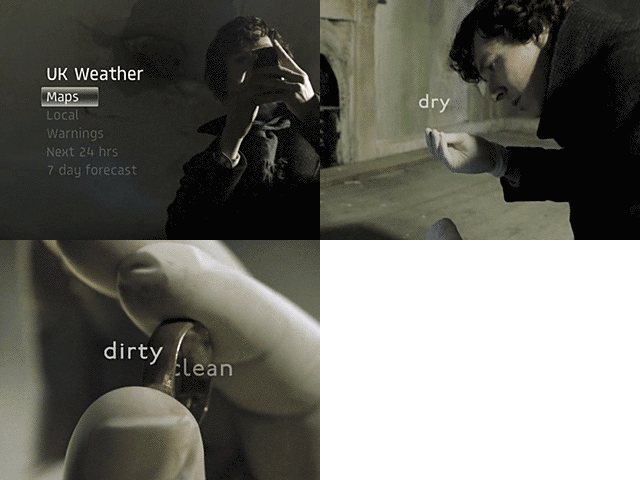
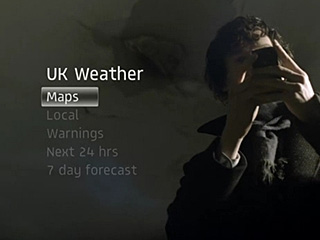
One of the most well-liked example in this video spanning decades of examples comes from the BBC’s “Sherlock Holmes” series and Netflix’s “House of Cards.” In the former example, we see things like a character blowing while the text message reactions to the motion; in the latter, we see letters being typed as the character types them.

Since Zhou’s trimmed-down “explainer” video is intentionally not an exhaustive list of use cases, commenters have added to his list, referencing examples like “Man on Fire”, in which a character yells as the text gets larger. Other cinephiles brought praised films like “Her” and “The Departed” for their portrayal. Surprisingly to some, usages of texting and the Internet in “The Social Network” just didn’t make Zhou’s final cut.

After the edit went up online, a debut trailer for an upcoming film made yet another unique use of the texting monograph. Take a look at this from Jason Reitman’s “Men, Women, and Children.” The film just premiered at Toronto.

This isn’t just a conversation for the fans – other filmmakers and designers are also joining in on the conversation. Screenwriter John August, who we interviewed recently on the FWD:labs blog, also brought up the piece in a recent blog post, saying:

In ten years, some of our choices will look quaint and foolish, but that’s the fun and challenge of making new things.

(via Subtraction)


Author

Aaron Proctor
Founder, FWD:labs
Director of Photography site
Contact


John August

John August

Screenwriter John August wasn’t content with the tools of his trade, so he teamed up to make his own company — Quote-Unquote Apps — to deliver better results. Despite a handful of apps for screenwriters already on the market, they made Highland, Weekend Read and several others. Here’s our interview with John and his lead developer Nima Yousefi on their work, their challenges, and their ideas for the future.

John, you’re a successful screenwriter, so what led to making apps on the side with forming Quote-Unquote Apps?

John August Most of the apps we make are things I needed. Or at least wanted. For example, I’m constantly looking up credits on IMDb, but the site kept getting more and more overloaded with ads and cruft, so we made the browser extension Less IMDb.

I wanted to be able to take a screenplay PDF and melt it back down into a editable file. So we made Highland. Along the way, it became a great general-purpose screenwriting app.

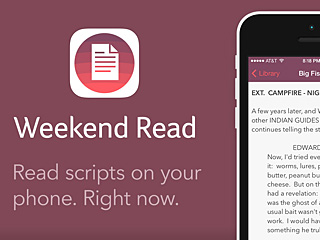
I needed to watermark fifty scripts for Big Fish, so we made Bronson Watermarker. I wanted to read scripts on my iPhone without going blind, so we made Weekend Read. It’s all about fixing the things that bug me.

Apps John Wants isn’t the most profitable niche in the App Store, but these apps genuinely help me with my screenwriting work, so they’d almost be worth it even if we never sold them to strangers.

How did you team up with developers and designers to create apps like Highland and Weekend Read? What’s your involvement with the actual apps — creative director or coder?

John August Nima Yousefi had volunteered with an early web-based project called Scrippets, which ultimately grew into the open-source screenwriting format called Fountain (developed in partnership with Stu Maschwitz, who went on to make Slugline).

Nima agreed to do the coding work on Highland, then eventually joined us full-time in Los Angeles.

I’d hired Ryan Nelson to do web stuff, but he clearly had skills for everything visual. Between Ryan and Nima, there was a lot of app talent.

As in film, I’m a writer and director for our apps. I describe what I want, then we all collaborate to figure out how to achieve it. I’m not a coder, but I’m good at whiteboard logic. I’m not a designer, but I know what I want it to feel like. The challenge of the job is giving direction without stifling inspiration. I steer the ship, but I don’t run the engines.

You’ve been doing the Scriptnotes podcast for a while now. How has that built a digital-first following for you that pairs well with digital apps for desktop and mobile?

John August Scriptnotes is sort of its own beast. I never expected it would get as popular as it has. But it’s interesting that so many app developers are also podcasters; I love guesting on their shows.

As someone who makes apps for screenwriters, it’s obviously helpful to have a platform like Scriptnotes for talking about what we make. But I’m careful to never let it feel like an ad. I want screenwriters to find the tools that work best for them.
highland-tn

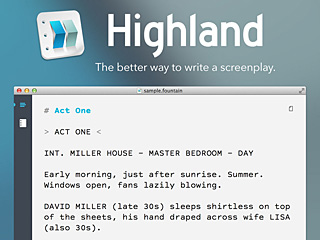
Highland is your flagship app. How do you feel it’s evolved since coming out in 2013? Knowing what you know now about making the app for screenwriters, rivaling staples like Final Draft, what would you have done differently — if anything?

John August Highland was never meant to be a full-fledged screenwriting app. We saw it mostly as a conversion utility. In fact, we added the editor pretty late in the process. But over the months, I found myself doing more and more of my daily writing directly in Highland. Its minimalism really helps me focus on the words, not the formatting.

With hindsight, I would have been more ambitious about allowing Highland to be a “real” screenwriting app right out of the gate. Many people still think of Highland as that thing that melts PDFs, when in fact it’s for daily writing. You can talk about apps and websites pivoting, but once you’ve established yourself as one thing, it’s hard to change people’s perceptions.

Another thing we were late on was robust customer support. We now use a combination of Reamaze and Slack that lets us be very nimble, and takes a lot of the burden off Nima.

How do you see the future of screenwriting apps, either with Quote-Unquote or the industry at large? What hurdles do you hope to overcome?

John August I think the first wave of screenwriting apps — by which I mean Final Draft and Screenwriter, mostly — focused on getting the formatting to work when printed on the page. For the most part, they succeeded. But they did it by forcing writers to work in unnatural ways, by declaring what type of element (dialogue, action, transition) a piece of text was before it was even written. It’s like trying to typeset a book while you’re writing it.

Fountain apps like Highland focus on the words instead, and for most screenwriters I think it’s a much better experience. But we can go further. The same processing power that makes it possible to interpret text for formatting should be able to interpret text for meaning, and give us new ways to look at our scripts. (Charles Forman has been doing some experiments along these lines.)

I believe we’re also near a tipping point where we’ll stop using simulated paper pages for everything. PDFs are terrific, but they’re frozen in amber. Keeping text as text allows collaboration, editing and version control that helps both writing and production.

quote-unquote-apps-tn

Nima, you’re the lead coder at Quote-Unquote. How did you first begin to work with John?

Nima Yousefi Around 2008, John put out a call on his blog for someone to help put together a WordPress plugin to convert short, plain text screenplay bits into nicely formatted HTML. I was a long time reader of John’s blog, and this was actually something I had thought of before, so it wasn’t very difficult for me to come up with a working solution. We released it together as Scrippets, and continued to work together on growing, maintaining, and supporting the project.
weekend-read-tn

Your apps are all Mac, mobile and desktop. How has that been helpful for getting first to market and evolving? How has Swift changed up the roadmap for future efforts?

Nima Yousefi It’s been extremely helpful. By focusing on Apple technologies we’re able to continuously build on our previous work, both in terms of reusing existing code (as is the case with our Mac app Highland, and iOS app Weekend Read), but also in terms of being able to build on experience with Apple’s frameworks. This means each new app can get off the ground and iterate faster than the previous, even if all the code in it is new.

Swift hasn’t really changed our roadmap. Although Swift is immensely exciting, we’re going to hold off on making the jump to building apps in Swift until the dust from its 1.0 release settles down.

How do you best collaborate on these apps with Ryan Nelson and John?

Nima Yousefi Collaboration with them has been great. The most important thing for any team effort is for everyone to want to get to the same place, and that’s true of the three of us: we all want beautiful, usable software that makes it easier for people to get work done.

How do you see the future of screenwriting apps, either with Quote-Unquote or the industry at large? What hurdles do you have to overcome?

Nima Yousefi Honestly, the biggest hurdle for screenwriting software is the (mostly) standardized screenplay format we all need to adhere to. John and his podcasting partner Craig Mazin have discussed this on their Scriptnotes podcast: we need a new screenplay format that embraces the rich capabilities of digital content. Embedded movies, notes, images, storyboards — these are the types of things screenwriters should want from their screenwriting software, but incorporating these into the existing screenplay format is difficult, if not impossible.

This is a nut that’s going to get cracked, eventually, and when it does we’ll see a tremendous leap in what screenwriting apps can do, and more variation in how they’ll do it.

Author

Aaron Proctor
Founder, FWD:labs
Director of Photography site
Contact


  • Published in Film + Web

pinterest-for-filmmakers

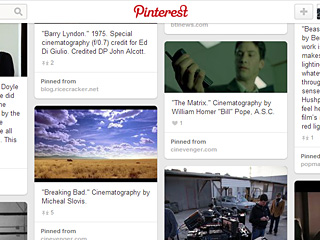
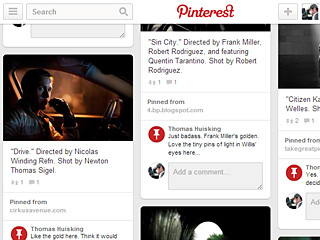
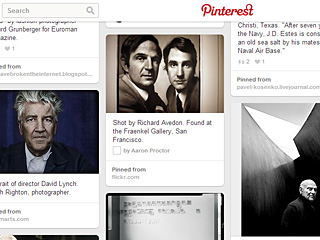
The digital bulletin board called Pinterest has flourished for a lot of generalists (e.g. foodies, fashionistas, et cetera), but I’ve found a few ways it can work well for filmmakers.

1. Mood Boards

When I don’t have the luxury of face-to-face production meetings, explaining ideas in e-mails, documents, or even PDFs can be cumbersome. Instead, I’ve made either public or hidden “boards” to build off a single link. I’ll then either upload or curate image-based content that exemplifies a visual style or color palette for jobs where I direct the photography. I can easily invite the production keys to review the link, comment on the looks, or even add to it themselves.

For one project which used a board called “How the Moon Made Me,” I tried out Pinterest as a collaborative film production tool with singer/songwriter Lucia Comnes:

In making my music video with Aaron, I relied heavily on Pinterest to communicate visual ideas online. When team members live in different cities or can’t be together in the same room for all that brainstorming and visualization meetings, a tool like Pinterest makes collaborating possible. It’s also so much easier to find visual references online rather than in print, so Pinterest gives you that digital bulletin board or mood board you normally had to create out of paper.

pinterest-for-filmmakers-5

For another project that used a board called Mood board for a Short Film Inspired by a Comic Book, I sent a few still frames over to illustrate some visual styles over to the project’s director, Thomas Faustin Huisking:

While prepping for the short film, “Poor Joey,” Aaron and I were trying to coordinate the look of the piece. We live on opposite sides of Los Angeles and there wasn’t enough time to meet repeatedly prior to shooting. Aaron mentioned Pinterest; I checked it out. I had described wanting a contrast-y, almost graphic novel look for parts of the film, “like when Calvin (from Calvin and Hobbes) imagines himself as an adult.” Aaron was able to effectively grab stills and looks from multiple films and other art in order to build a suitable mood board for the film. In that way we were able to decide long-distance on cyan and straw as opposing light color sources, which ultimately played a huge role in the final look of Poor Joey.

2. Social Bookmarking

pinterest-for-filmmakers-2

While Facebook just rolled out their “Saved” feature this week, and I’ve been a proponent of Delicious for years, I’ve found more interaction with content I’ve shared on a public Pinterest board. It’s also fairly easy to search, which is hit-and-miss sometimes with social networks… (looking at you, Instagram, Tumblr, and Facebook).

Every artist likes to be credited. Unlike most users on Pinterest, who have no requirement to be so formal (or ethical?), if I have the time I’ll take the time to correctly annotate and attribute the link, picking the best and most official source for the image that I can find. Here are some that I’ve enjoyed curating, to benefit others besides myself:

Tip: When I come across something that’s been shared to infinity and beyond, I’ll jump over to Google Images and do a search based on that image itself — either the image file or it’s URL. I’ll then often fine it points me to the best and/or original source, rather than somebody’s Tumblr or other attribution-less service.

Other boards that provide a useful, visual reference:

3. Brands

pinterest-for-filmmakers-3

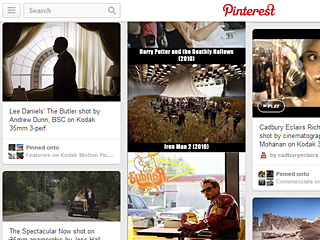
Much like other social media, many brands have a presence on Pinterest. For example, Kodak heavily uses Pinterest to highlight trailers, films, and articles from their online magazine — all, of course, shot on Kodak film.

I think this is helpful to filmmakers. It turns web content into a visual repository that’s linkable unlike Instagram and infinitely scrollable unlike most websites. However, on the flip side since no social network is perfect: the image resolution is limiting, the click-thrus require a double-click, and all of the visual content is ripe for being re-shared without attribution nor linkage.

Other active brands:

4. Other Filmmakers

pinterest-for-filmmakers-4

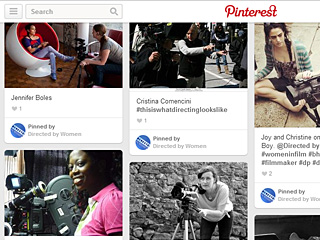
Looking for other avid Pinterest users for inspiration on starting your own? I’ve come across several other filmmakers who use Pinterest for professional promotion, reference, and connecting. Here are some of my favorites of who to follow on Pinterest for professional pins:

Or perhaps you’re selling your style and personality. Here are some projects and people to follow on Pinterest that rock their full identity:

Recap

Pinterest is a mostly public, generalist social network. It’s not for everyone, especially it’s visual-geared design. However, the ease of browsing and simplicity of uploading make it a player to consider for filmmaking productions.

Additionally, in terms of self-promotion for your own projects, adding stills and other visuals can be set up to link to your website. While it doesn’t give an SEO boost (due to a rel=”nofollow” tag in the link), it does boost incoming traffic to your site if people click the linked image for more. Furthermore, captions can have visible links as well that are automatically clickable when typed.

Like many of these start-ups, Pinterest grows in unusual ways. Originally, you could only have a few private boards, but recent upgrades have removed the cap on the number of private boards a user can have. This helps for confidential projects since this social network operates under a opt-out / follow-all paradigm. In other words, every public board is broadcast to every single follower, unless they manually opt out of either the board or the follow.

What are your thoughts on Pinterest? And any favorite links to recommend?


Author

Aaron Proctor
Founder, FWD:labs
Director of Photography site
Contact


popcorn-time

Digital and disc distribution of cinematic content needs to catch up with the music industry. Cost, time, and access are getting closer but still fall short despite some technological advances. Here’s a look at iTunes, Amazon, Netflix, Popcorn Time, and Aereo when it comes to accessibility to the same kinds of content.

Poor Quality Assurance in Digital Delivery via iTunes

I recently wanted to see the film “Snowpiercer.” Even in Los Angeles, the screens playing the film looked sub-par: sticky floor, soft focus projection, and squeaky chair kind of places. Some colleagues who went to see it in theaters even commented that nobody else was there. Fortunately, the distributor decided to release the film on iTunes an unprecedented two weeks after it opened in theaters. The film cost $16, which was fine to own the digital file, however, and on a business DSL line it took a massive 3 hours to download. To make matters worse, the non-streaming digital file had intermittent glitches: lo-res frames that would stutter every few scenes, which led me to complain to Apple about poor quality assurance.

Irregular Disc Distribution via Amazon

Unrelated, I recently needed a physical, disc copy of Malcolm in the Middle Season 5, which was made in 2004. The only available copy was an Australian copy that would either need a region-free player, or take a bite out of my DVD player’s five “reset” options (which sure is archaic, huh?). The shipping time was estimated at 1-2 weeks. And, other than a massive series DVD set, it seemed the distributor wasn’t interested in providing even U.S.-based customers with access to content that’s a mere decade old.

Disappearing Titles via Netflix

For streaming only content, Netflix sure has a market. When I load up Amazon Instant, it pales in comparison. But one thing that has bothered me for years is Netflix’s transparency. They once published expiration dates for all of their titles. Third-party sites could tap into this, like InstantWatcher.com, and I could see which films on my queue were going to expire soon. When they pulled this feature in the wake of thousands of titles expiring at once, prompting negative headlines, their head engineer blogged about how the feature was unsustainable. But that doesn’t make sense: they have that data and they just didn’t want it public anymore. Now, when I cruise though my queue, I might get a few days notice, buried in the film’s description, that the title won’t be available after a certain date. But I can’t search or sort for this, and that’s a shame.

Illegal Content via Peer-Assisted, Legal Networks

Meanwhile, there’s Popcorn Time and Aereo, two services that shut down soon after launching. Popcorn Time provided a new face to accessing torrents, or free peer-to-peer file sharing that’s a fine line on copyright infringement. Aereo was a television streaming service that offered paid access to cable content without the bundled programs; but it was recently called illegal by the United States Supreme Court.

When Popcorn Time shut down on their own terms, they did two things. Their founders wrote a public letter explaining that the piracy problem is the service problem, not a people problem:

[T]ons of people agreed in unison that the movie industry has way too many ridiculous restrictions on way too many markets. Take Argentina for example: streaming providers seem to believe that “There’s Something About Mary” is a recent movie. That movie would be old enough to vote here.

They also released all of their source code on Github, which spawned two clones run by others — and http://popcorntime.io/ — which are all apparently completely legal as infrastructure networks.

When Aereo was sued by Walt Disney Co., which led to the Supreme Court decision, it highlighted a problem with the technology platform. According to NPR, Aereo CEO Chet Kanojia calls “it ‘troubling’ to see the majority opinion’s suggestion that companies seek action from Congress to clarify how new technology interacts with U.S. copyright laws.”

In the dissent, Justice Scalia noted the service was like a library card to an antenna, rather than a specific video-on-demand service. All told, it highlighted a dated take on copyright laws for an otherwise very innovative idea that paying customers may have preferred for their cable.

Next Steps

Somehow the music industry got it. After Napster, iTunes and other efforts made the MP3 a gold standard. Now you can get almost everything in music quickly and legally. It’s not great, but it’s accessible and economical for big and small time artists.

The film business at large doesn’t yet get it. Instead of engineering or nurturing more competition to Netflix and iTunes, we hear about knee-jerk lawsuits. Instead of creating more customer-centric tools, these cutting-edge services get called Hollywood’s worst nightmare because they’re still connecting to illegally distributed content, even though the service infrastructures are fast and organized.

I feel we’re close. There’s clearly interest and demand, even to pay to play. Creative minds are engineering new routes and breaking old models. Inconsistent disc distribution and hidden expiration dates are utter failures, going against the grain of accessibility to a hundred years of cinema.

I have to applaud the distributors of “Snowpiercer” for trying a multi-pronged distribution, which tops the iTunes charts when it’s not necessarily going to top the traditional box office. And it’s incredible what Popcorn Time and other have engineered, even if to just prove a point.
While they’ve not necessarily provided a sustainable model for the business of show business, perhaps there’s going to be a breaking point soon, balancing the fairness of legality, cost, and accessibility.


Author

Aaron Proctor
Founder, FWD:labs
Director of Photography site
Contact


Part of a series of posts about great film, web, or design artists and their work abuzz online and in-person.

https://www.youtube.com/watch?v=T1kR_usCvkw

turbocharge-the-everyday-whirly

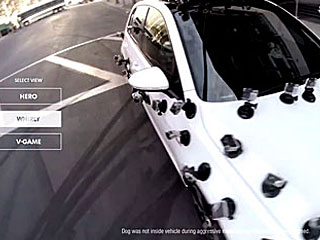
  • Jason Zada is the director behind “Turbocharge the Everyday,” an interactive ad for Volkswagen and agency Deutsch LA featuring 150 GoPros and utilizing cutting-edge “choose your own camera” interactivity (on youtube.com via desktop only) in a single video timeline, which solves the woes of page refreshes
  • “Dolby Vision” is a video about how TV manufacturers can improve brightness, colors, and contrast (via Gizmodo via Leonard Walsh)
  • “Is the Feature Film Dying?” by Short Of The Week compares the total running time of multi-season TV shows with multi-episode feature films, such as “Star Wars” (800 mins.) and “Harry Potter” (1,176 mins.) versus “Breaking Bad” (3,000 mins.) and “The Sopranos” (4,000 mins.)

Author

Aaron Proctor
Founder, FWD:labs
Director of Photography site
Contact


  • Published in Film + Web

matthew-silver-tn

“You can’t get away from your heart. Because life is a paradox. It’s a mirror of confusion. So, love now.”

Framed by some sites and social media posts as a video featuring “inspiring advice from a mentally insane person,” something felt off. Student film? Branded content? Or somebody’s rush to judgment?

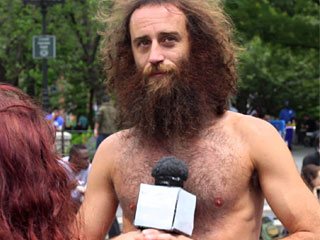
Sure enough, this is a performance artist named Matthew Silver and this is his schtick, in a video made by Enlisted Films uploaded last week. The filmmaker — who was unattributed by most social media shares due to how Facebook hosts unsearchable video (except Gizmodo) — notes that it’s a piece about “a man who runs around NYC in underwear saying and doing radical things. A friend and I stopped and actually listened, and he said some beautiful things.”

One commenter, Raj Marathe, notes that Silver “puts on unique performances and is good at being effective and acting. He is not a bum, a homeless person or anything like that– like some [point] him out to be. His day job involves editing wedding videos and being a filmmaker. He attended Ithaca College. His message is spreading awareness of loving yourself and others, to stop judging people, and other social awareness issues. You will hear him often refer to the ‘Love Movement’ in his discussions and presentations.”

Silver’s website features Gothamist’s video interview with him, which really explains his methodology in his own words:

In regard to the “viral” video, it’s a testament to the power of editing — and the rush to judgment that is easily made when presented out of context and without attribution.


Author

Aaron Proctor
Founder, FWD:labs
Director of Photography site
Contact


  • Published in Film + Web

short-feature-examples

I was recently asked if short format work could lead to big picture deals. Instead of laughing off the incredibly unlikelihood, I looked at the data.

If you exclude filmmakers who just make a killer short film and subsequently get notoriety thanks to their name or affiliation (e.g. Disney’s “Paperman” by John Kahrs, who is now directing the feature “Shedd”), as well as commercially/celebrity-driven projects (e.g. “Dr. Horrible” by Neil Patrick-Harris), here’s a breakdown of the rare instances where independently-made short films and long-term web series garnered enough festival attention and/or fans to lead to feature film and broadcast deals, respectively.

SHORT FILMS

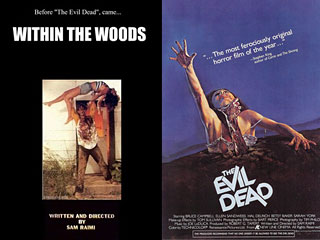
  • 1978 short (left) led to the 1981 feature, "The Evil Dead."

    This 1978 short (left) led to the 1981 feature, “The Evil Dead.”

    “Within The Woods” (1978) by Sam Raimi was the short made over three days for $1,600, which led to the feature film “The Evil Dead” in 1981. Watch the short on YouTube.
  • “Frankenweenie” (1984) by Tim Burton became a feature by the same name in 2012. Watch the short on YouTube.
  • “The Dirk Diggler Story” (1988) by Paul Thomas Anderson was the precursor to “Boogie Nights.” Watch the short on YouTube.
  • “Milton” (1991) by Mike Judge was a series of animated shorts that led the way to “Office Space.” Watch the short on YouTube.
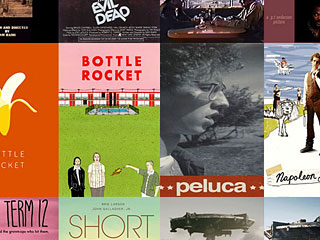
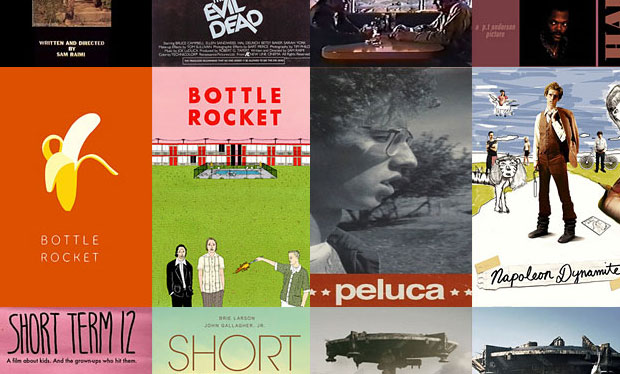
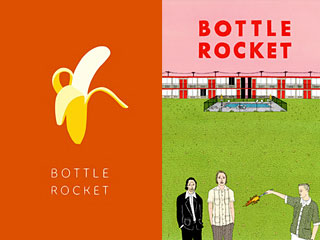
  • 1992 short (left) for "Bottle Rocket" helped make the 1996 feature.

    “Bottle Rocket” in 1992 (left) helped make the 1996 feature.

    “Bottle Rocket” (1992) by Wes Anderson was a short film that went to Sundance before getting the opportunity to become a feature film with the same name in 1996. Watch the short on YouTube. Anderson also did a short called “Hotel Chevalier” (1997), although it was more so a supplement than a building block for some of his other feature films with the same cast and production aesthetic.
  • “Joe’s Apt.” (1992) by John Payson was originally a short before becoming an MTV-produced feature film (1996). Watch the short on YouTube.
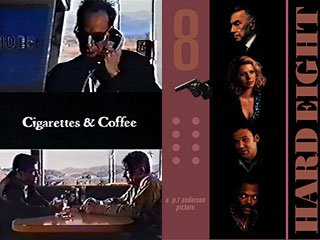
  • The 1993 short (left) introduced us to the 1996 feature for "Hard Eight."

    The 1993 short (left) introduced us to the 1996 feature for “Hard Eight.”

    “Cigarettes and Coffee” (1993) is 24-minute short from Paul Thomas Anderson (who we mention above) which led to the feature film “Hard Eight” in 1996, which was his directorial debut. Watch the short on YouTube. Anderson also made a short in 2003 called “Couch” which starred Adam Sandler was somewhat related to his later feature, “Punch-Drunk Love.”
  • “Some Folks Call It A Sling Blade” (1994) by George Hickenlooper was the precursor to “Sling Blade” (1996). Watch the short on YouTube.
  • “The Hard Case” (1995) by Guy Ritchie was the 20-minute short that helped make “Lock, Stock, and Two Smoking Barrels” (1998), which then led to a single-season TV series called Lock, Stock… in 2000. Watch the trailer for the short on YouTube.
  • “The World of Tomorrow” (1998) by Kerry Conran was the 6-minute short film that was the 2005 feature film, “Sky Captain: The World of Tomorrow.” Watch the short on YouTube.
  • “Five Feet High and Rising” (2000) by Peter Sollett was a successful 30-minute short film that — after winning at Cannes, Sundance, SXSW, and more — eventually led to “Raising Victor Vargas” (2002). Watch the short on YouTube.
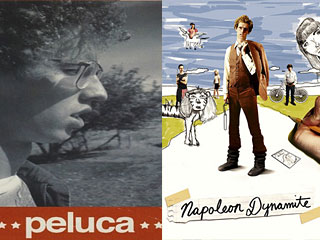
  • 2002 short (left) for "Napoleon Dynamite" paved the way for a 2004 feature.

    2002 short (left) for “Napoleon Dynamite” paved the way for a 2004 feature.

    “Peluca” (2002) by Jared Hess was the short before “Napoleon Dynamite” in 2004. There was even an animated television series in 2012 on Fox, who eventually cancelled it mid-season after six episodes. Watch the short on YouTube.
  • “Saw” (2003) by James Wan was originally a short film before it became one of many feature films by the same name. Watch the short on YouTube.
  • “Cashback” (2004) by Sean Ellis became a feature by the same name in 2006. Watch the short on DailyMotion.
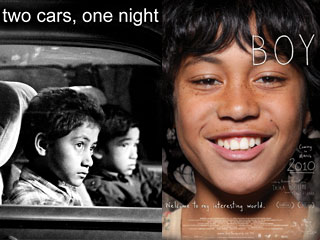
  • Taika Waititi's short film (left) six years prior to his feature.

    Taika Waititi’s short film (left) six years prior to his feature.

    “Two Cars, One Night” (2004) by Taika Waititi was an Oscar-nominated short film before it was a baseline for the 2010 feature, “Boy.” Watch the short on YouTube.
  • “Gowanus, Brooklyn” (2004) was the 19-minute short that led to “Half Nelson” (2006) from both Ryan Fleck (co-writer and director) and Anna Boden (screenwriter). Watch the short on YouTube.
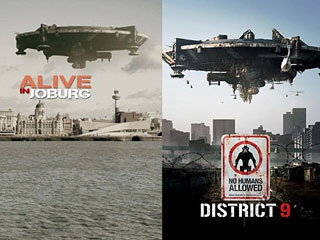
  • Neill Blomkamp's short in 2005 led to the "District 9" feature in 2009.

    Neill Blomkamp’s short in 2005 led to the “District 9” feature in 2009.

    “Alive in Joburg” (2005) by Neill Blomkamp was the short film whose story loosely became that of “District 9” in 2009. Watch the short on YouTube.
  • “The Customer Is Always Right” (2005) by Robert Rodriguez was the 3-minute short made both as a proof-of-concept (to get Frank Miller interested) and as a promotional piece, using a single scene as leverage before production started on the whole film, “Sin City” in the same year. Watch the short on YouTube.
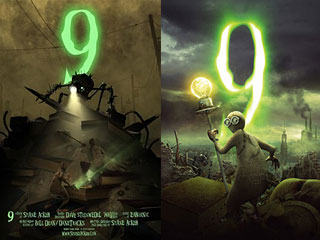
  • 2005 short (left) for "9" led to the 2009 feature.

    2005 short (left) for “9” led to the 2009 feature.

    “9” (2005) by Shane Acker led to a feature by the same name in 2009. Watch the short on the director’s Vimeo.
  • “Oculus: Chapter 3 – The Man with the Plan” (2006) by Mike Flanagan led to the 2013 feature film, “Oculus.” Watch the trailer for the short on the director’s YouTube.
  • “The Replacement Child” (2007) by Justin Lerner was a 25-minute film so well received at film festivals, it led to the character portrayed by Evan Sneider being expanded in the feature film “Girlfriend” (2012), which received theatrical and also DVD/VOD distribution. Read our interview with the director or watch the short on the director’s Vimeo.
  • “Machete” (2007) was a fake trailer by Robert Rodriguez and Quentin Tarantino, which Rodriguez turned into the 2010 feature by the same name. Watch the trailer on YouTube.
  • “Jay and Seth versus The Apocalypse” (2007) by Jason Stone was a nine-minute short that led to the feature film “This Is The End” (2013). Watch the short on YouTube.
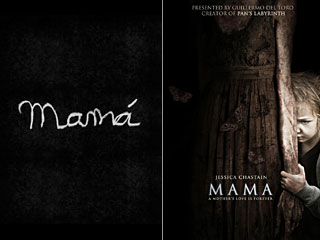
  • Posters for the 2008 short (left) and the 2013 feature of "Mama."

    Posters for the 2008 short (left) and the 2013 feature of “Mama.”

    “Mama” (2008) by Andrés Muschietti became a feature film in 2013 by the same name. Watch the short on YouTube. [Link updated 6/5.]
  • “Excision” (2008) by Richard Bates Jr. helped pave the way for the 2012 feature-length horror film by the same name. Watch the short on the production’s YouTube.
  • “Panic Attack!” aka “Ataque de Panico” (2009) by Fede Alvarez was a showcase piece of his VFX work. The YouTube upload that garnered so much interest in his work that he was given the studio feature film “Evil Dead” in 2013.
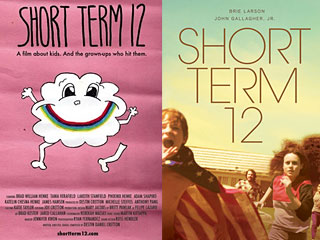
  • The 2009 short (left) and the 2013 feature for "Short Term 12."

    The 2009 short (left) and the 2013 feature for “Short Term 12.”

    “Short Term 12” (2009) by Destin Daniel Cretton began as a short film before becoming a 2013 feature-length film. Watch the short on the director’s Vimeo.
  • “Mary Last Seen” (2010) by Sean Durkin was a prequel to the feature film “Martha Marcy May Marlene” made in 2011. Watch the trailer on Vimeo.
  • “Hobo with a Shotgun” (2010) by Jason Eisener was made as a fake trailer for a contest, yet it led to the 2011 feature by the same name. Watch the trailer on the director’s YouTube.
  • “Fishing Without Nets” (2012) by Cutter Hodierne led to the feature by the same name in 2014. Purchase the short video-on-demand (VOD) at Vimeo.

WEB SERIES

As you’ll see, it’s very rare to make this work, and not as common a model anymore as it was 10 years ago. Today, if not just to do short-format work for the merits of the work itself, there’s now more than ever the opportunity to sell a short film download online, as a VOD business model. Or consider the commercial / branded content route, such as “Touching Stories” for the iPad in 2010. Either way, it’s super rare to walk away completely profitable from either approach.

Food for thought when making something to get somewhere else.


Author

Aaron Proctor
Founder, FWD:labs
Director of Photography site
Contact


  • Published in Film + Web

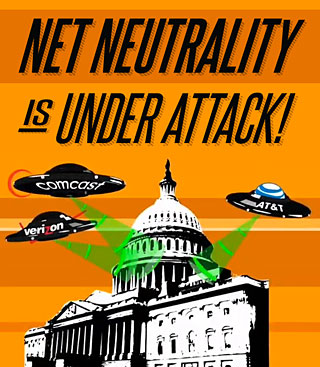
"Net Neutrality is Under Attack!" illustration by Free Press. Used under creative commons.

“Net Neutrality is Under Attack!” illustration by Free Press. Used under creative commons.

There’s protest — both in Washington and all over our newsfeeds this week — over the imposing possibility of favored treatment to companies that pay for a new “fast lane” on the Internet. In an ongoing back-and-forth at the Federal Communications Commission, there’s currently “proposed rules, drafted by Tom Wheeler, the chairman of the Federal Communications Commission, and his staff, [that] would allow Internet service providers to charge companies different rates for faster connection speeds,” says the The New York Times. Here are three efforts of defending so-called net neutrality, which affects filmmakers and audiences:

Update Re-published today on Thompson on Hollywood today, there’s another great piece by Chris Dorr called “Indie Film needs an Open Internet.” The author cites many film festivals backing the need, but asks an open-ended question: which organization will lead the effort?


Author

Aaron Proctor
Founder, FWD:labs
Director of Photography site
Contact


  • Published in General

gasland

A few weeks ago, I was stuck in bed with the flu and was combing Netflix for something to watch. After a bit of browsing, I came across Gasland, a documentary about the fracking industry released in 2010. I turned on the movie and within a few minutes I couldn’t stop watching.

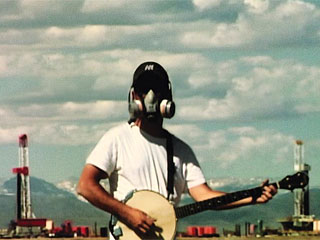
The visuals are powerful (including a jaw dropping scene in which a man lights his tap water on fire), the information is well researched and relevant, and the characters are funny and engaging. But there’s something else that makes the film truly unique and wonderful that’s unfortunately missing from too many documentaries out there.

The story is deeply personal.

To help you make your stories, pitches and maybe even documentary films more personal, here are “3 Tips for Connecting with Your Audience“. Follow these tips and you’ll have the Academy calling you before you know it.

  1. Put Yourself in the Story. The first thing that drew me in about Gasland was an image of the filmmaker, Josh Fox, playing around with his family on a beautiful piece of land in Pennsylvania. The audience then sees a copy of the note that Josh receives from a gas company offering him $4,000 in exchange for extraction rights. But rather than recoiling, the stakes of the film become clear and we’re now rooting for Josh. When you make it personal, you engage your audience immediately.
  2. Show Vulnerability. Once you’ve hooked your audience with something personal, the simplest way to maintain their attention is to expose a personal challenge or shortcoming. When you put yourself on the line, you take a big risk: the audience may initially react with surprise or even discomfort. But once the audience fully grasps the struggles of the storyteller, they’ll see the central problem of the story through the storyteller’s eyes. In Gasland, for example, Josh periodically draws the audience back into his personal worries and concerns with voiceovers, which puts the economic and political forces surrounding the issue of fracking in context. A little vulnerability makes complex information digestible.
  3. End With An Image. The strongest way to end a story is to offer a powerful visual. In many cases, this means returning to the personal elements introduced in the beginning of the story. Much like the first scene in the film, the last scenes of Gasland are of Josh Fox on his land. In a voiceover, Josh mentions that he’s not sure what’s going to happen to his land but that he’s learned a lot about America in the process of traveling the country. The final image transforms the story from a simple recounting of a problem into something larger: a quest for identity in America. When you end with a strong visual, the story becomes more memorable.

Pretty powerful, right?

(Originally published at The Story Source.)


Andrew Linderman
Writer. Teacher. Consultant.
@lindermania


  • Published in Film

unsung-hero-thai-life-insurance-commercial

The latest in well-done branded content comes from an unlikely source: Thai Life Insurance. When was the last time you cared to sit through a commercial about life insurance?

“Unsung Hero” breaks through. It’s a 3 minute feel-good story advert that pulls at the heartstrings. The effort is part of a transmedia campaign with daily updates called “Thai Good Stories,” which is both the whole gist of this insurance company and also the larger effort of their agency, Ogilvy & Mather Bangkok.

In the first two weeks that “Unsung Hero” was online, over 11 million people have seen it via the YouTube release:

The media likes to tout Ogilvy & Mather as the sole credit, but the director of the ad is “Tor” Sornsrivichai, who recently won a Cannes Lions International Advertising Festival Palme d’Or. His company was also cited as the most awarded production house in the world — and Tor as “the most awarded director in the world” — according to The Gunn Report. Here is the breakdown, thanks in part to Jonathan Nguyen [link no longer works], who works at Ogilvy:

Production House: Phenomena
Chief Creative Officer: Korn Tepintarapiraksa
Film Director: Thanonchai “Tor” Sornsriwichai
Senior Copywriter: Rudee Surapongraktrakool
Managing Director: Phawit Chitrakorn
Group Communications Director: Thitima Liangpanich
Communications Manager: Pranpreeya Arunjindatrakul
Communications Manager: Morrakot Rieanthong
Head of Strategic Planning Unit: Vanich Jirasuwankij
Strategic Planning Director: Nuntaporn Laoruangroj
Strategic Planner: Chanya Sutthienkul
Producer Section Manager: Yuthapong Varanukrohchoke

Browsing through Thai Life Insurance’s YouTube channel — which has a hefty fifteen thousand subscribers — there are actually many other videos just like “Unsung Hero” done in recent past. Take this one from last year:

3 million views in English. 2 million views in Thai. And the same agency of record: Ogilvy & Mather Bangkok.

There’s many more of these sorts of story videos, going consistently all the way back to 2003 … yet they were all uploaded on their YouTube channel in the last month. Here’s a link to easily view them within YouTube and here’s one called “Everlasting Love” from 2004:

With numbers and strategies like this, why aren’t there more story-driven ads for less than glamorous industries?


Author

Aaron Proctor
Founder, FWD:labs
Director of Photography site
Contact


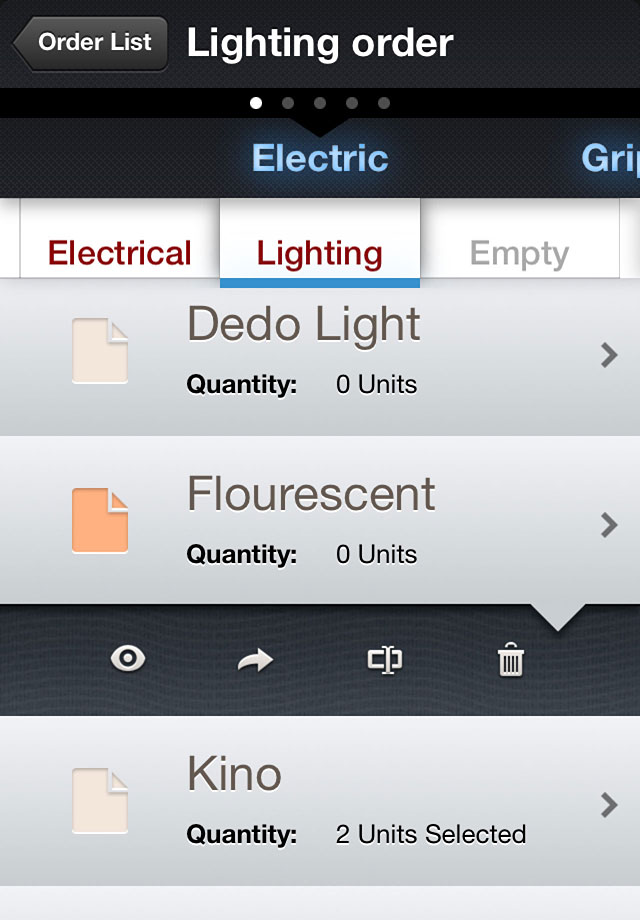
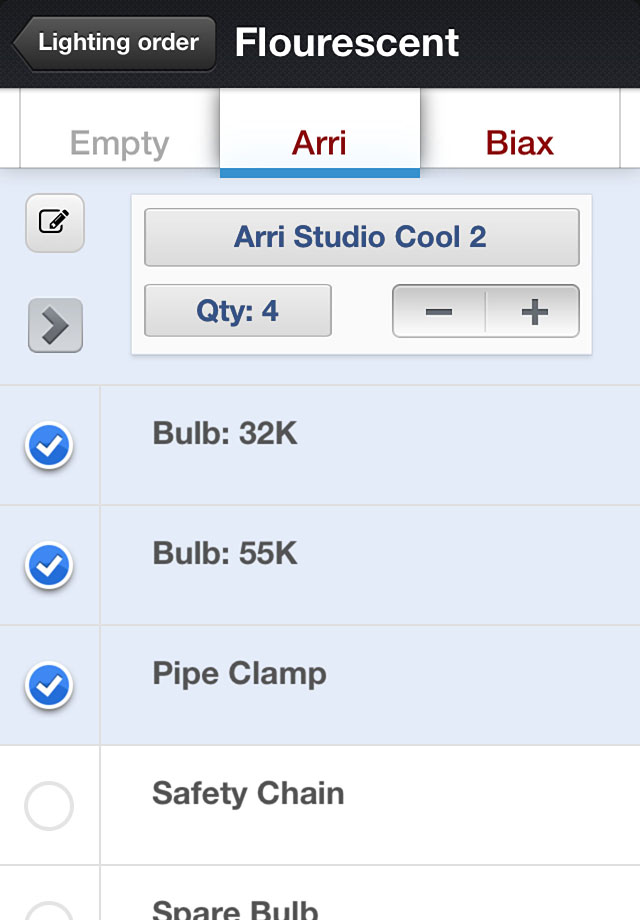
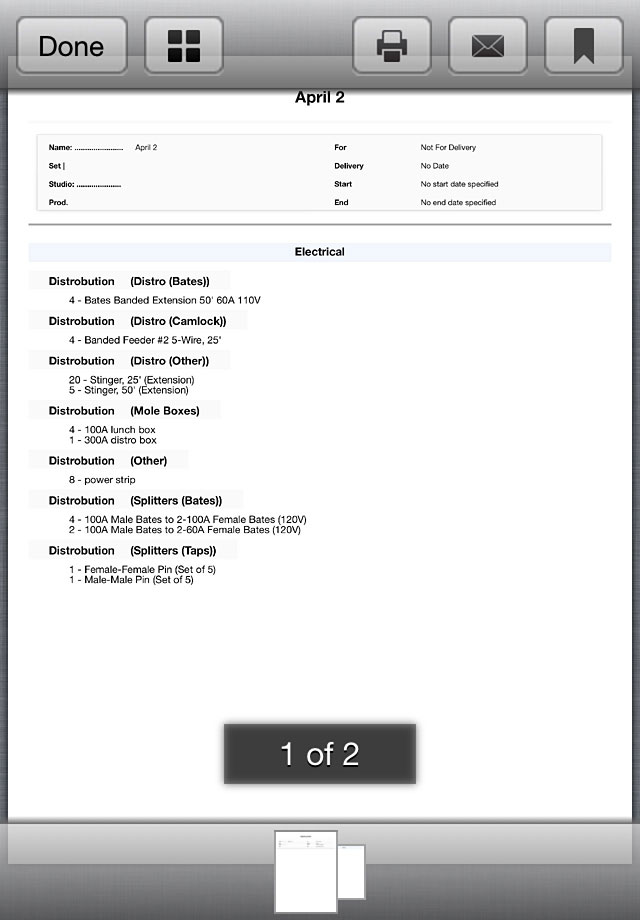
grip-and-electric-apps

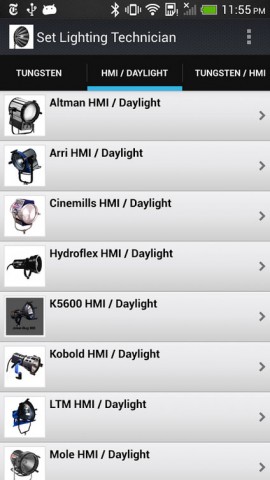
There aren’t many apps for grips and gaffers, but the ones that exist can be contributed to a developer by the name of Nat Aguilar. His programming chops set up G&E apps on iOS — theGrip App and setLighting — and he’s constantly turning out new apps for Android on his own — Set Lighting Technician and Android Grip — and is in the midst of developing for new apps for film scouting and invoicing which are coming soon. I got in touch with Nat to talk about his unique work both on set and off.

You’re a gaffer who has programmed, released, and followed up multiple apps for mobile. How did you get started? What has been your greatest moment with your apps since starting out?

Set Technician on Android

Set Technician on Android

Nat Aguilar I am a gaffer who has programmed, yes. But I have been focusing mainly on programming. It’s no small subject. Programming came to me as a small curiosity. While I was a gaffer on shows small or big, I always had books — both math and computer science — so I could study during lunch or after wrap. That’s where it all started.

The greatest moment I’ve ever had in app development was with my former business partner Darcy Schlitt. We were in a bar, and we just finished the Set Lighting app and, right there, we uploaded the app to Apple. We were both very proud of what we did.

You began with an iOS app called The Grip App. You’ve also made G&E apps for Android. What was the greatest challenge working with both SDKs? Were there any unique benefits for your app where Android worked better than iOS — or where iOS worked better than Android?

NA The first application I developed was the Grip App for iOS.

Grip App on Android

Grip App on Android

Android was the second platform I developed for. It is actually almost 10x easier developing for android than it is developing for iOS. With Android I could build something with 500 lines of code, but building a replica for iOS would take 10,000 lines of code, and a dozen architectures like MVC, MVP, Target action, delegate, singleton, oop, etc, etc. Because I started with iOS, developing for Android is much much easier.

Looking at apps tailored to gaffers and overall G&E, how do you feel your app is unique and competitive, especially for your price point?

NA For the price, on either iOS or Android, it’s a collection of all the information that one needs. Or at least I hope it is the information that people need.

For example, I was on a shoot and the gaffer on the shoot — I was one of the 3-rds — wanted to know what the weight of a 6K was because he was planning to put about a dozen on the grid. I pulled my iPhone and showed it to him. And he had his answer in about 5 clicks.

The price really justifies the convenience of quick and fast information. And as new gear comes up I try to keep up to specs with that information. I think competitiveness comes as convenience to the user of the software.

How has being on set while developing apps helped your apps take off? What new things are you working on currently, both with new apps and existing apps?

NA Working on set has allowed me to understand what people want in software. There have been a few times when people use the apps that I built to get information — but they don’t know I built them. I don’t really talk about it other than to close friends. But it’s given me a knowledge of how people use software because they don’t really know that I’m taking notes.

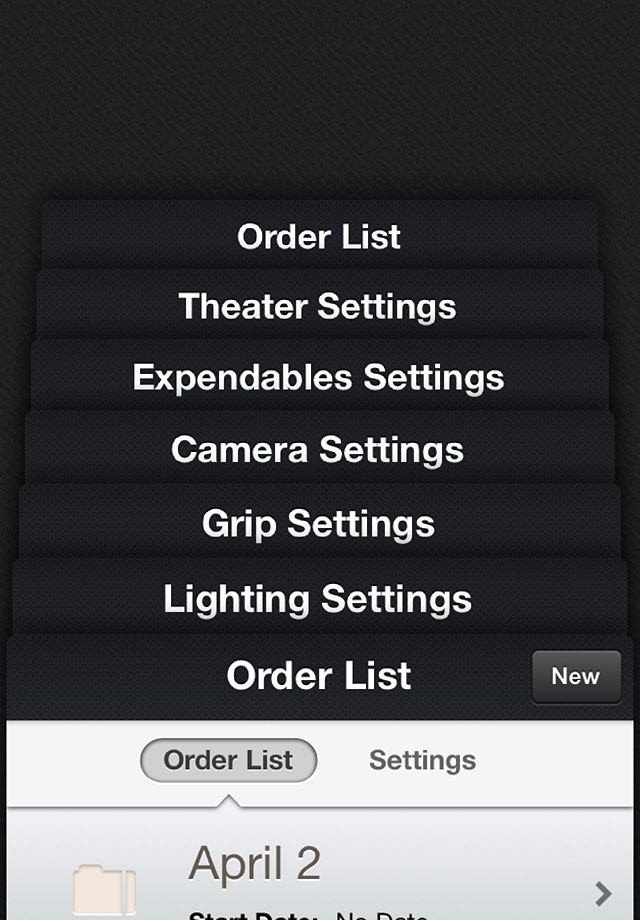
Currently, I’m building an invoice application for both iOS and Android, but one app coming soon is called Crew Scout. I’m most proud of how customizable it is. The fact that a person can make a list for grip, camera, lighting, expendables, or theater, and customize their gear list, and have their own macros already set in the settings is what wonderful. Writing those algorithms took me a long time, but a person can enter, for example, a 10K and all the little details are already done for them: scrims, scrim bag, etc.

What are your thoughts for the future of mobile apps tailored for film crews? Where do you think the overall industry of apps for filmmakers is headed? What do you think needs to be developed as an app next?

NA A lot of apps have been developed for iOS and Android for the entertainment industry. And I’m glad they have. But I think one thing is missing over all. And that is the sharing of information — whether that’s invoices or call sheets, the sharing of information between me and everyone else on set.

The sharing of information is something I think that people want. People are sharing contact info via text, e-mails, or person-to-person, but if there is an app that can solve that problem, then we have something.


Author

Aaron Proctor
Founder, FWD:labs
Director of Photography site
Contact


  • Published in Film + Web

unicef-tap-project-2014-tn

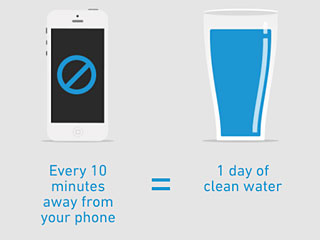
Today marks the last day of the seventh annual UNICEF Tap Project, a campaign that offers this simple challenge: go ten minutes without using your cell phone, and UNICEF’s corporate partner Giorgio Armani Fragrances will provide one day of clean water for a child in need.

Simply load uniceftapproject.org on your mobile phone, pretend your phone is diseased, and Armani will donate $.0025 for every minute of inactivity towards providing clean drinking water to 768 million people worldwide — making the process so easy that, yes, you probably could and even should do it it in your sleep.

Digital Backlash

The Tap Project is a timely idea propelled by a growing backlash against social media and digital addiction overall. In one fell swoop, the Tap project juxtaposes the first-world boredom of #selfies and #cat pics with the fact that hundreds of millions of people worldwide lack access to something as basic as clean drinking water and sanitation. It’s a refreshing perspective, and provides a sort of reverse call to arms in our era of overconsumption: put down your phones and do something to help.

https://www.youtube.com/watch?v=Wetbh84MGOc

“We are obsessed with cell phones,” the project’s informational video begins, featuring animated diners sitting in a restaurant dutifully glued to their mobile devices. “Have you been out to dinner lately? We think we can’t live without our phones. So why don’t we use them to provide something people actually can’t live without? Clean water.”

To put this dichotomy into perspective, not only does the Tap Project provide real-time statistics on how many years of clean water have been raised by the effort on a current day (4.2 years at the time of publication), and the current record for inactivity (17k minutes at the time of publication), but perhaps more saliently, what users aren’t doing when they abstain from using their phones:

People have helped kids today instead of:

  • Viewing 9 Million #Selfies
  • Uploading 3692 million Facebook photos.
  • Viewing 911K #Cat Photos.
  • Viewing 11 million #nofilter photos.

Don’t Just Do Something: Sit There

While your phone sits still, you're shown various infographics about the cause.

While your phone sits still, you’re shown various infographics about the cause.

No one can argue with just how insidious cell phones and social media have become in society, of having so much benevolent power at one’s fingertips yet wielding it to post pictures of our chicken caesar salad; and where the Tap Project really shines is in its cynical — albeit probably unintentional — acknowledgment that the public would prefer to literally not lift a finger in order to make a difference.

UNICEF makes the giving process about as painless and non-participatory as it gets — and because of that, has been extremely successful in drumming up awareness and, more to the point, clean water. Their press release from March 25th stated the following stats:

So far, these Tap Project donations have been used to promote hygiene, provide well rehabilitation and emergency water and sanitation — most notably in Syria, the Philippines, and the Central African Republic.

Engagement Disrupted

In this gilded age of “disruption,” the Tap Project provides a definition that is undoubtedly too literal for most digital marketers or campaign managers — and even physically uncomfortable for all those fidgety end-users addicted to their phones. And this is why it works so well. It asks us to be truthful with ourselves, to solemnly acknowledge that what we do on social media, gaming, fantasy leagues, should all be reminders of how many people are suffering worldwide, and should likewise provide the necessary guilt veneered leverage to contribute to a very worthy campaign.

The Tap Project encourages people to pause, reflect, and unplug. Not only to pay attention to events going around the world, but to be mindful of what’s going on right in front of them — for instance, the next time they are poured water at the dinner table.

The UNICEF Tap Project end today, March 31st.


Daniel Steiner
Filmmaker
@Hararuk