FWD:labs

Blog


CC Photo by Don Solo

Apathy can thwart voter turnout just enough that it becomes necessary to have a history of film, web, and design content that speaks to the audience plagued by this feeling. It’s the thirty-second public service announcements on television. It’s the wheatpasted posters rolled up on temporary walls. It’s the longer-form video content shared via YouTube. This non-partisan media is placed where we hope the apathetic citzen will stop, look, and listen.

To the seasoned voter, these ads state the obvious. But to the new or unpracticed voter, this offers a new perspective. Does this sort of material actually convince voters to get out and vote? The examples below look at some work that attempts just that. And being well-shot, well-seen, and well-designed, maybe these just might work.

I VOTE “Our Turn”

“We ARE knowledgeable, we ARE passionate, and we WILL vote. On November 6th, it’s Our Turn. Learn more about I VOTE. Donate to the cause.

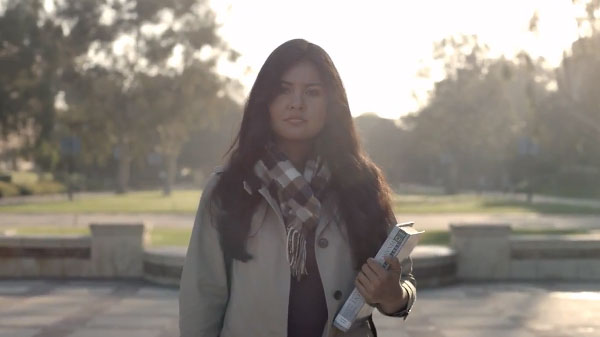
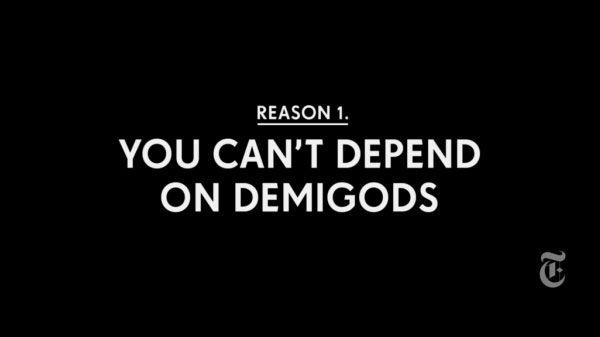
“11 Excellent Reasons Not to Vote?” by Errol Morris

“The filmmaker Errol Morris speaks with young Americans about the merits of voting and why some resist, from apathy to awkward family dinners. … This Op-Doc video was produced in collaboration with two creative agencies, CHI & Partners NY and Moxie Pictures, and with the I CAN. I WILL. Campaign for Our Time, a nonprofit organization that advocates for young voters and consumers.”

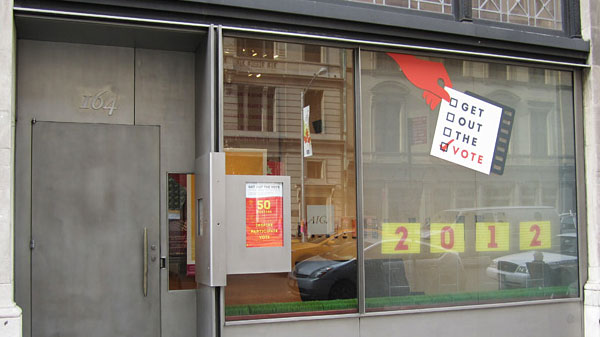
“Get Out the Vote 2012 Exhibition,” an AIGA Design for Democracy initiative

“AIGA’s Get Out the Vote project invites designers to create nonpartisan posters and videos that inspire the American public to participate in the electoral process and vote in the 2012 general election. By motivating eligible citizens to register and turn out on election day, Get Out the Vote fulfills an ongoing AIGA objective of demonstrating the value of design to the public, public officials and business by providing a clear call to action for an activity that is important to everyone. … Exhibition design and identity design: Zack Shubkagel, Roberto Camacho and Cat Coquillette, Willoughby Design.”


Author

Aaron Proctor
Founder, FWD:labs
Director of Photography site
Contact


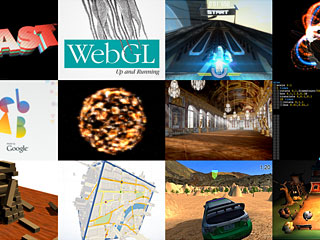
Featured work using Three.js

WebGL is transforming how we experience visual content online. Storytellers in the music video, commercial, and film world are all jumping on board. But what’s possible and where are things headed? I asked San Francisco-based creative coder/technologist Michael Chang, aka Flux, with whom I graduated UCLA Design | Media Arts, to shine a light on his work and the challenges of the medium.

How would you describe WebGL, it’s connection to OpenGL, and how it can be utilized and engaged by creatives?

Michael Chang I think there are some exciting times ahead of us with WebGL — the fact that so many computers out there are now capable of displaying high performance graphics, except that it’s been locked away behind the curtain in the realm of desktop applications.

Obviously not everything needs to be in 3D, or even graphics accelerated, but there are many situations where this would benefit content on the web, for example the display of weather and storm systems, mapping geographic data, or when it’s suitable to show several million concurrent points of data at once. We’re only starting to see the tip of the ice-berg right now, things will really take off when libraries like THREE.js and Processing.js begin to mature and start getting used to put a lot of creative coding content directly on the web.
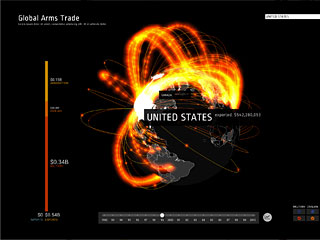
Arms Trade Visualization

What is your favorite part of being a Creative Technologist on the Data Arts Team at Google? How does that job relate to your recent projects such as “Generative Machines” and “Small Arms Imports / Exports”?

MC Probably the team itself, Aaron Koblin is a wonderful at getting the right connections going and providing direction, and those who I have the privilege to sit alongside and work with — Jono Brandel, Doug Fritz, Ray Mcclure, and George Brower, all really talented, have great ideas, and give me a lot of inspiration and feedback.

Data Arts Team is pretty unique, what with the responsibility of “making epic shit”. One of the outlets of our work is Chrome Experiments, and that gives me some breathing room to explore ideas, for example Generative Machines is one that originally was going to be a piece for Google IO 2012, but still serves as a demonstration for how far WebGL has come and what modern web browsers are capable of.
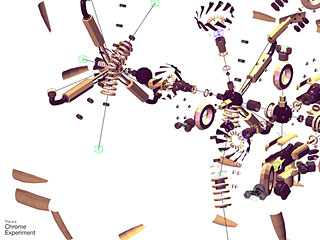
Generative Machines

Only Google Chrome and Mozilla Firefox enable WebGL by default, while browsers like Microsoft Internet Explorer are unable to display the content without a work-around plug-in. How does that limitation inspire development to become a standard for 3D? How are you working around it?

MC I can’t speak for Data Arts Team, however in general we try to step in the direction of pushing the envelope as far as we can given what we can work with. Unfortunately this means having to leave IE behind in most cases.

ROME “3 Dreams of Black”

In 2011, projects like ROME “3 Dreams of Black”, which features Jack White, Norah Jones, Daniele Luppi, and Danger Mouse, were some of the first for video to demo WebGL. Over a year later, how have things changed in terms of what’s possible and what’s still not possible?

MC Some new, up and coming tech that’s going to be exciting to explore is WebRTC and its ability to link people together on a peer to peer basis. Traditionally the content has always been viewer<--->server, however it would be interesting start exploring the space of viewer<--->viewer.
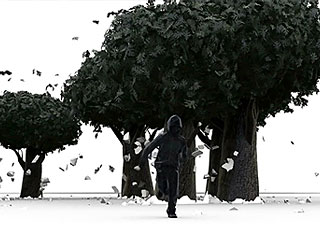
The Wilderness Downtown

Google is clearly investing in creative experiments, rather than purely technical demonstrations. Director Chris Milk is no stranger to web-based music videos, like “The Wilderness Downtown” which was “made with friends” at Google. OK Go also worked with Google for “All Is Not Lost”. Being open source, how is WebGL accessible to other creatives not working directly with Google? What are some of the hurdles to overcome, either with the learning curve or restraints of what’s do-able?

MC Paul Irish has been working his butt off on making a lot of this more accessible for other developers with HTML5Rocks.com and having developers post how-tos and general good information spreading. It’s definitely important to not only make demos, but also show the process to others so that other creatives can push the envelope along.

HTML5’s WebRTC make it easy for webcam recognition. How could this be used for further creativity, as opposed to basic demos showing that your webcam works?

MC The thing that’s exciting to me about WebRTC camera tracking stuff is how it makes the camera into another input device that, hopefully, doesn’t just become another pointer or mouse. There’s definitely more data there, more that a developer can work with, for example picking out distance based on size of objects, orientation, and color. This begins to fall under the think-space of companies like G-Speak who do a lot of that kind of work, and it would be great if they can start to do that on the web as well.

That being said I haven’t seen any demo yet that has excited me with WebRTC, it can be pretty challenging not to look like every other augmented reality demo!
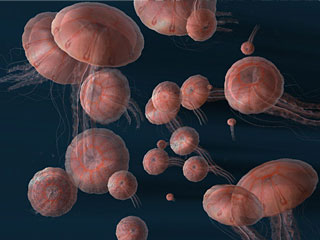
Chrysaora

WebGL seems to thrive the most with interactivity. But projects like “Chrysaora” use it as a visual effect. Where is the point of no return to use WebGL with interactivity or without? And what are some of the pros and cons from a developer’s perspective, in returns of complexity, resources, and so on?

MC Chrysaora’s author Aleksandar Rodic has worked with us before :) I really admire his work.

Adding interactivity to any project definitely adds a huge layer of complexity, and that definitely depends on the context of the project and what that’s involved with. At some point with a non-interactive piece, you sort of begin asking yourself why not just make this a video in After Effects or something.

There’s also this whole other aspect of Shader/GL Demo Scene who’s work is all wrapped up visually delicious, totally non interactive experiences.

The work I’ve been doing recently has been focused on visually demonstrating something that’s hard to see, for example arms trade around the world, and with subjects like that I tend to favor minimal interactivity and constrain / limit the user’s input as much as I can without hampering the display of data. One has to imagine the context in which someone is viewing work like this: their co-worker probably sent them a link and they click on it, wait for it to load, and have maybe 20-30 seconds to decide if they want to keep looking. Basically all the context needs to be established right away, and they’ll probably stay a few more minutes to experience what you have to offer. It’s definitely *not* like a game where the experience is made for you to stay and keep seeing new things, so the amount and types of interaction is built around this thought process.
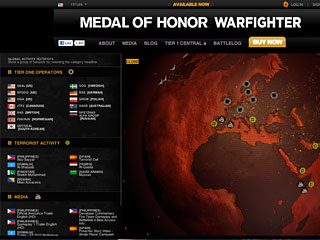
Medal of Honor Warfighter

How do you see WebGL bonding more with cinematic and narrative video, whether it’s a martial arts pic or more music videos?

MC Right now we’re seeing more ad agencies use this to promote things, like for example most recently EA used WebGL in their Medal of Honor: Warfighter stat page with a whole spinnable, explorable 3D globe. I’m secretly hoping Pixar would do a short some day directly in WebGL — it would be interesting to see the likes of Brad Bird do interactive short stories on the web.


Author

Aaron Proctor
Founder, FWD:labs
Director of Photography site
Contact


Here at FWD:labs, we do a lot more than provide a platform for filmmakers and their work. We are regularly doing custom work for companies looking to directly connect with customers and prospects.
Some of these projects involve the planning, strategy, and execution of direct e-mail marketing campaigns. Instead of relying on Facebook “likes,” Twitter “followers,” or design re-boots to boost engagement, e-mail is still relevant for grabbing attention, has a longer shelf life than newsfeeds, and is important to include in a online marketing plan.

For the sake of simplicity, let’s organize types of people into separate lists. List 1 are the long-term users who are your existing customers. List 2 are the short-term users, who are responding to a one-time call to action. And List 3 are prospects, who are your curious constituents. Each of these lists are opt-in or otherwise expecting to hear from you.

We may reach all three groups in one e-blast, or tailor something for each group in particular. Different approaches garner higher return on investment, depending on timing, relevance, and quality of content. To introduce the strategy, let’s look at each list and how best to engage them. The metrics for success are high open rates, high click rates, and high conversions toward your goal (e.g. purchase, RSVP, sign up), while keeping a low “spam/flag” reports and low unsubscribes.

Long-Term
Examples: alumni, clients, collaborators, users, customers

  • Keep it fresh. To abide by CAN-SPAM laws, these should be people with interactions to you or your work/company within the last two years.
  • Remember the “unsubscribe” link. Adding this in a prominent position proves to lower the likelihood of being flagged at spam, which can lead to a locked account (e.g. MailChimp, Campaign Monitor) or a blacklisted IP address.
  • Consider a schedule. Perhaps the audience is best reached once a quarter with original content, such as videos or articles. Or once a month with profile stories, latest headlines, and/or other methods to cultivate on-going community and affiliation.
  • Focus the call(s) to action. At FWD:labs, we’ve re-aligned our e-mail blast to further focus on our creative user base, their accomplishments, and the success stories of the industry at large. As a result, we’ve seen more engagement and interest by laying things out in rows, rather than boxes.

Short-Term
Examples: RSVP list, fundraising drive

  • Provide a receipt. The when/where/why should be immediate for easy reference, rather than expecting people to come back to the website for a one-off event.
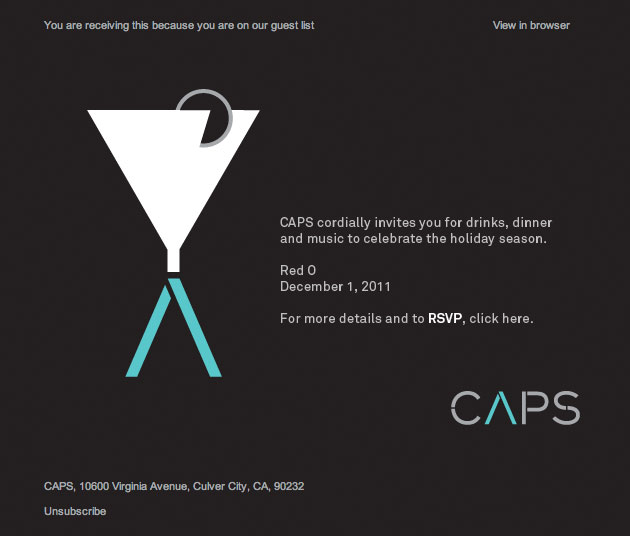
  • Don’t rely on images, which cannot be searched in an inbox. This means HTML e-mails need proper markup for all e-mail clients, keeping within a 600px width, and including ALT tags underneath placeholder images. While it’s nice to have a graphical e-mail, keep it clear, simple, and hierarchical.
  • Be clear about dates. One outdoor movie screening in Los Angeles last year sent out an e-blast about a film, but led their first several paragraphs mentioning three different dates but started their e-mail with several paragraphs. At a glance, it wasn’t clear when the headline movie was screening.
  • Provide a formal address, including city, state, and zip. This helps smart phones to link to their map app. It’s helpful to save people from having to look up and/or print directions themselves. What if you don’t want to hotlink an address or phone number? Wrap each chunk in <span> tags.

Prospects
Examples: “interest” sign-up form, fans, followers

  • Stay in touch. Consistent updates are an oft-overlooked strategy. Whenever we contact our members, we see a bump in traffic, which can lead to queries, bookmarks, and sales.
  • Project personality. Compare how Panavision treats their clients with personal attention with how a small boutique can compete with that. Is it faster in-and-out? Do you profile a job or customer in each e-mail blast? Do you specialize in a certain style or your business embody a focused mission?
  • Deliver announcements. Perhaps you’ve got a sale in your store, a new film in theaters, or an upcoming mixer in town. For companies, let your e-mail list have the first look to your new inventory. For films, give your fans and followers some bonus content, news, or trivia. For events, try e-mailing between zero and five days in advance — with our FWD:labs Salon, we’ve found people schedule within one week to six hours ahead, but not more or less than that window.

What’s next? Test something out. Start with a slow, realistic schedule using existing content, rather than tailoring too much. It’s about presenting a crisp, pixel-perfect letter to people where your reputation, motto, philosophy, and/or personality is front and center.


Author

Aaron Proctor
Founder, FWD:labs
Director of Photography site
Contact


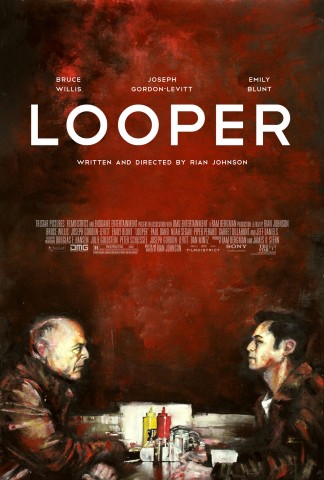
Critical acclaim and spoilers aside, “Looper” is ripe for influence to other creatives. When the team is committed beyond press releases and junkets, when the marketing material is unbridled access and creative exploration, when the publicist isn’t always in control, good stuff shines. Most important of all, it helps bring a movie out of the theater — while it’s still there — to discuss at and beyond the water cooler, the base camp, and the social newsfeed.

  • Honest Q&A’s

    Director Rian Johnson jumped on a Reddit AMA (Ask Me Anything), which included an affirming quote regarding independent film financing and the ability to greenlight a realistic project:

    I wrote Brick when I was just out of college, and basically spent my 20s trying to get it made. We had a producer break down the script, and we said “OK we need X amount to make it.” Then we started looking for that amount. And after years and years of failing at that, I met my producer Ram Bergman, who told me I was doing it wrong. I should see how much money I can scrap together right now, and then figure out how to fit my film into that amount. So that’s what I did. It wasn’t easy but we were able to get it made, we shot it in 19 days on 35mm for about $450k. This is before digital was really an option or at least before it saved you any money.

  • Conversational Tweets

    Actor Joseph Gordon-Levitt, a Twitter aficionado in part thanks to his collaborative production company, hitRECord.org, has a handful of “Looper” posts, but the official @loopermovie is both promotional and conversational, which is rad and rare.

  • Video Content with Depth

    In a video interview with The New York Times, the director brings up a world where there’s no middle class. IGN picked up a featurette questioning the possibility of time travel. And Wired went into the archive, looking at other time travel tropes. Each are great moves for starting discussion all over the place.

  • Candid Photographs

    The director toted around his Leica M6 camera to shoot his own behind-the-scenes stills. Entertainment Weekly showcases 20 shots. It’s always great to see this, slightly moreso than a production’s Instagram account, and often much moreso than magazine editorial (unless Annie Leibovitz is involved, right?).

  • Bonus Content

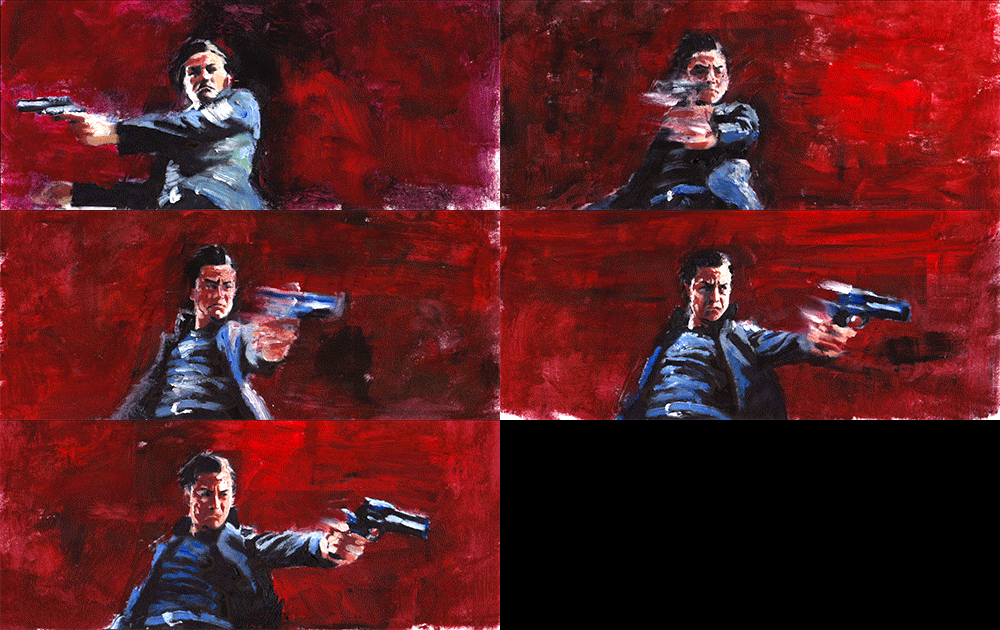
    The director’s cousin, Zach Johnson, hand painted 700 frames of the film which led to a poster and six prints, now on sale. The poster ties back to a fully rotoscoped (and therefore animatd) trailer that’s now out, thanks to a collaboration with Noah Fisher. Aisde from some sweet looping GIFs for your Tumblr, that’s some great synergy there. (That said, all the copies of the trailer on YouTube are bootlegs of the Apple.com Trailer file, rather than an official account. Oops.)


Author

Aaron Proctor
Founder, FWD:labs
Director of Photography site
Contact


  • Published in Film

Generally when people think of animation studios, they tend to refer to everyone who works there as an “Animator.” However, especially in larger studios, only a fraction of the workforce holds the title “Animator,” as there are many departments doing their part to help bring the vision to the big screen, such as Character Effects, Lighting, Story, Editorial and Modeling. In this article, lets take a closer look at my current home department, Layout, and look at what they do to help bring the vision to life.

Layout: Bringing It All Together

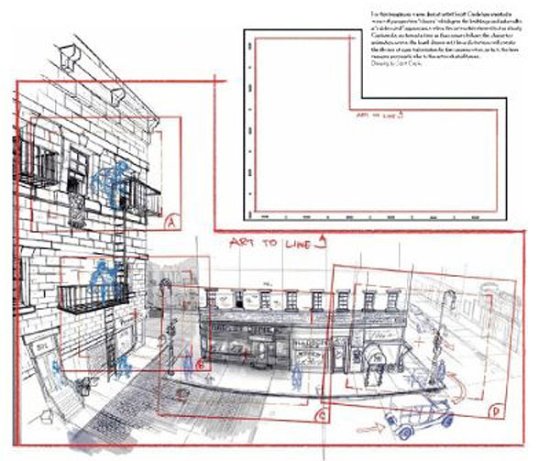
So what is layout, anyway? The most straight forward answer is exactly as the name suggests; they lay-out the movie. More specifically, Layout takes all the upstream assets such as backgrounds and props from art department, characters from character designers, storyboards from story department, and they put them together and lay them out according to what the sequence and shots call for, according to the script and storyboard.

Laying out the shot, incorporating all these elements together, inherently means composing everything appropriately, as well as planning out camera moves and ground planes for animation, with guidance coming from the storyboards. This essentially makes Layout the cinematographers of the movie. Layout artists in traditional animation will draw each background with a suggestion of lens and focal length, depending on what the story beat calls for, just as a live action production would. In CG Animation it is even more literal, as the virtual space uses virtual camera rigs with focal lengths, aperture and shutter speeds.

An example of traditional layout, where a background has been laid out, and a camera move has been planned over it, as represented by red frames panning over the background.

Rough Layout

In CG pipeline at large animation studios, Layout is often split into two departments: Rough and Final Layout. Rough Layout, also referred to as previsualization, tend to focus on entire sequences, vs Final Layout, who tends to work on individual shots. As mentioned before, layout artists act as the cinematographers for the movie, which effectively makes the Head of Layout the Director of Photography for the animated film. The Head of Layout will go through a process not unlike a live action D.P. This includes working with the Director to establish a cinematic language for the movie, planning out how sequences will be shot to help support the tone of the story or environment, and even creating a lens kit for the production, and technical aspects like cinemascope vs widescreen.

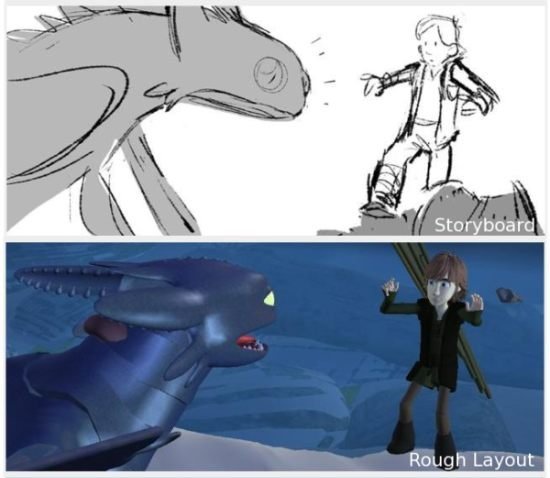
Previz artists will then work with the Head of Layout and Director to help take the work that was done in story department, and visualize an entire sequence using rough sets and characters, as well as staging rough animation blocking and even creating rough lighting rigs, all to help create what is essentially a low-resolution version of the final look of the movie. Once that look is established, the rough layout version of the film acts as a visual guideline for downstream departments such as Animation, Lighting, Effects, and of course Final Layout.

Storyboard panels from Story Department are translated into a rough CG version by Rough Layout Department, this acts as a guide for downstream departments including Final Layout.

Final Layout

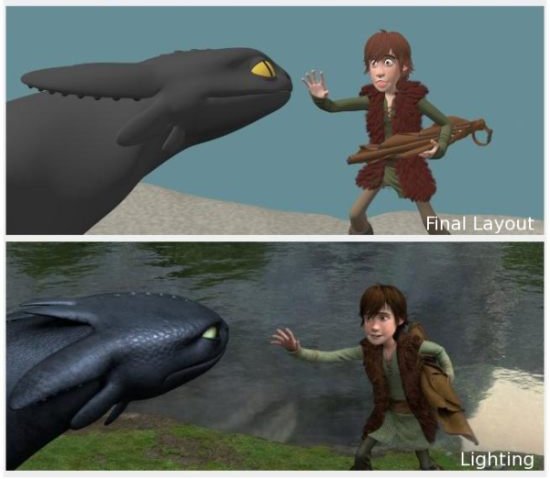
The Final Layout artists pick up right where Rough Layout leaves off. It’s their job to go into the sequences previz has completed, swap out all the rough temporary assets with final assets (including characters, sets, props), make sure the cameras are properly broken out into individual shots, and then send these shots to Animators to start their work (This process is often named “Anim Prep”). Simultaneously, other Final Layout artists may be working with the Art Department to do Set Dressing in a sequence, which consists of adding set details and filling out backgrounds, and sometimes will do individual shot dressing if elements need to be cheated in or out of shot.

Once Animation has finished their work, Final Layout goes back into these completed sequences, and does a camera finaling pass (“Final Camera”), which is akin to what camera operators do on a live action set. Shot artists will animate the camera to bring detail and realism to the camerawork in the shots, in accordance with the cinematic language as established by the Head of Layout. This may consist of adding reactionary camera adjusts to follow animation acting, adding camera shake for camera impacts caused by explosions, wind, or heavy motion, or just adding ambient motion to help prevent static or “dead” shots.

Final Layout swaps rough assets for final assets, does set / shot dressing, camera adjusts for animation, and camera finaling before sending it to downstream departments like lighting.

Finally, another important aspect of doing Final Camera on a sequence is helping the flow of shots through eye-tracking. This means tracking the point of interest in each shot and making sure that the viewers eye remains in the same spot over the cut, to help the sequence flow more naturally when observed. For example, if a shot has a character prominently placed in the right third of the frame at the end of a cut, the next shot should pick up with the point of interest in the same section of the frame. Final Layout keeps an eye on this and adjusts cameras to facilitate this flow. Below is a video loosely demonstrating this process, where the red dot represents the viewers eye between shots.

Due to the iterative nature of animated films, shots, and sometimes entire sequences, will come back to the Layout department for changes. These changes can be as large as redoing a whole sequence to facilitate major structural changes in the story, or as small as extending camera moves or creating insert shots to accommodate changes made in editorial. Also, Layout will keep an eye on things like continuity and managing locations, sets, and even character extras and costume changes as production continues on into lighting & effects. In many ways, this makes Layout the central hub of the production process!

And so, that concludes a closer look at the Layout department of an animated production. For every great piece of animation acting you see performed by a great animator, there is a great layout artist making sure it’s being shot appropriately and beautifully. Though just imagine, there is also a great effects artist making sure the rain looks amazing, there is a great lighting artist creating that dramatic mood lighting, an awesome surfacing artist doing those fantastic textures and surfaces, modelers and riggers manifesting the objects and characters in the frame, character effects artists making the hair look wet and the clothes drape and flow correctly, and the list goes on. So, the next time you see an animated film, you’ll understand how there are more than just “Animators” creating the big picture!

(Originally published on A Stack Of Drawings.)


Author

David Badgerow
Member, FWD:labs
Official site
FWD:labs site
Contact


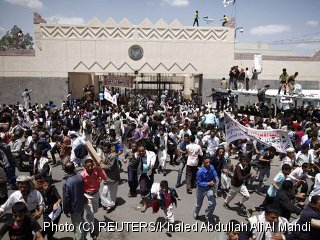
The irony of the uproar connected to the now infamous anti-Islam video is this: almost everyone who has involved themselves in it has voluntarily taken on a role as grotesque, poorly scripted, vacuous, and disconnected from reality as the absurd characters in the cheap YouTube clip that is nominally at the heart of the crisis.

The video itself is the kind of sordid but forgettable drivel that gunks up plenty of corners of the Internet, and would be utterly inconsequential in another context. Having forced myself to watch the clips — they are certainly hateful but also less than mediocre, far less — it’s plain that the real story is not the video, but how it has been promoted by rabble-rousers like TV presenter Sheikh Khalad Abdalla (who has been called a sort of Egyptian Glenn Beck), and those like his dependable foil, Islam-hating Florida Pastor Terry Jones. John Hudson of The Atlantic Wire explains this well here, and also makes the excellent point that the mystery of the day — the identity of the real producer of the clip – is a sideshow barely related to the uproar.

And yet the main question murmured around American water coolers today seems to be, ”Why are they so angry about a movie?” The answer has little to do with the clip itself, or with belief. What we’re likely seeing is the savvy manipulation of public sentiment, under the guise of religious dignity, mostly for domestic political gain in the countries where there are demonstrations or worse. It’s too early to ponder the particular details of how this is happening — and commentators everywhere are venturing opinions at the risk of contradictory revelations in the next days and weeks — but in broad strokes, it is clear that these originated as political actions, not spontaneous faith-based responses.

There is lots of raw anger toward the U.S. in the Middle East still, despite what your tour guide at the Statue of Liberty told you about America being the inspiration for the Arab Spring. It may have something to do with, say, 10 years of a bloody war on terror that has fractured societies and occupied countries and … well, a lot of other things besides a 15-minute video with mind-bogglingly crappy production value. That anger is an amorphous commodity that is available for use at the hands of skillful populists.

Thus, the out-of-control flag-burner is one role that people have taken on in the crisis, and the amateur provocateurs who made the movie are undoubtedly thrilled and surprised at the impact of their handiwork. (They may or may not realize that they are essentially in league with their supposed nemeses — other extremists who would also like to move us all irrevocably toward a worldwide war on religious lines.)

But other responses have been equally one-dimensional. If you’re an American, a perusal of your Facebook feed will show that at least a few of your acquaintances are freshly astonished with the “barbarity” of Islam. Others condemn the filmmakers as the real cause of the violence. Still others respond that, however bad the video is, what’s really on the line is our free speech. Shouting matches erupt; accusations are thrown; positions become more polarized.

While the movie is undoubtedly condemnation-worthy, and also protected in the United States by the First Amendment, all of this gives the producers(s) far too much credit. The abject inferiority of their project is apparent to anyone remotely familiar with contemporary media. This is how, one must guess, they wanted us to react.

It’s all a bit sad. People everywhere are retreating into caricatures of themselves and fulfilling each other’s worst stereotypes. In doing so, the protesters, their denouncers, their apologists, and most especially those who would cast this as a clash of religious values, have become poor players acting out a script written by idiots.

As such, we’d all do well to take the whole conflagration with a bit of skepticism, and recognize the real political aims — both domestic and international — of those who are fanning the flames.

Because if everyone buys into this tale’s sound and fury, things could get a lot uglier still.

(Originally published at The Long Gone Daddy.)


Author

Eamon Kircher-Allen
Eamon Kircher-Allen has reported from the Middle East, Africa and the United States for outlets including Global Post, The Christian Science Monitor, Mother Jones, Lebanon's Daily Star and the Pulitzer Center. He blogs about media, politics and international affairs at The Long Gone Daddy.


Part of a series of posts about great film, web, or design artists and their work abuzz online and in-person.

Instant Infographics

[vimeo]https://vimeo.com/41772735[/vimeo]

FF Chartwell is a new typeface from FontShop International that can convert into several flavors of pie charts in seconds. More flattering and versatile than the Microsoft Office equivalent, clean infographics are not only popular but also highly effective at communicating data sets. Each of seven weights are $25 each, a bargain for professional typefaces. Related, Information is Beautiful shortlisted the tool in their awards this year.

(via Michael Zick Doherty)

Clutter-free Checkout

Google Analytics in Real Life is a long-form ad made for Google.

The spot appears to emulate the viral videos like “Facebook in real life” from years past.

(via Jeffrey Zeldman)

Phantom Photography

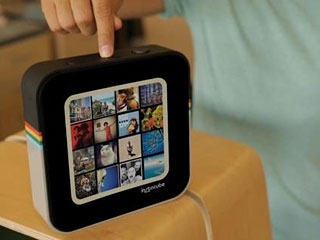
Instacube is a self-described “incubated venture” from D2M | Design to Matter, which — only if it surpasses 100% funding on Kickstarter — would wirelessly bring Instagram-tagged content to a little square screen. (The crowd-funding raised 30% of it’s $250k goal in the first day.) Similar in form to digital picture frames, what’s unique about this yet-to-be-made product is a tailored, digitally-organized feed that recognizes your account and social hashtags. While requiring a wi-fi network may be a strict requirement for a likely-to-be-$150 digital picture frame, the demonstrated uses for social gatherings and loved ones abroad both look charming.

As an aside, how soon to bring something else to market like this — or jailbreak it — without the requirement of Instagram and it’s filtered world?

(via 4by6)


Author

Aaron Proctor
Founder, FWD:labs
Director of Photography site
Contact


  • Published in Film + Web

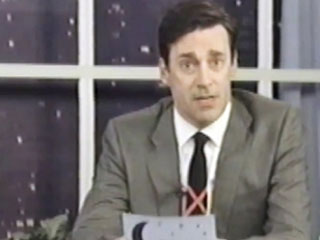
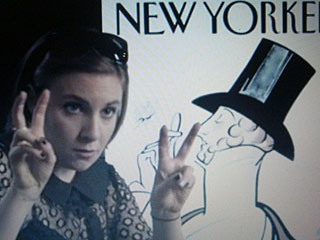
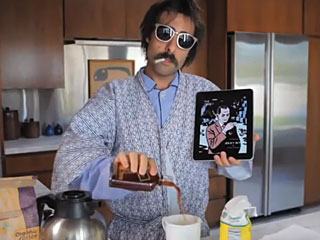
In the world of direct-to-web “explainer” videos, where frequently mobile apps and digital properties are summed up in a minute or two, leave it to The New Yorker to go out in the deep end with creative — and bizarre — promotions.

The reportage and commentary magazine, which started in 1925 and is known for its one-panel cartoons, commissioned Lena Dunham to write and direct the iPhone promo, reports AllThingsD. She also co-stars with Jon Hamm and Alex Karpovsky. Dunham is up for three Emmys this year in acting, directing and writing for “Girls,” now beginning production of season two on HBO.

[UPDATE: Video at https://www.youtube.com/watch?v=KTiCulvL-lA no longer available.]

“We SO get it! (We don’t get it.),” tweets New York Magazine. “[I]n terms of execution, tone and technique, I don’t know what the hell to make of this video,” proclaims MediaPost. “There’s a joke here somewhere, and it either whooshed over my head Lockheed-spy-plane style or pulled an end run on me while I was enjoying YouTube clips of Van Halen and people falling down.” And ADWEEK digs into the meta, “She makes the quote-marks gesture with her fingers, a move so ironically unhip-hip, it makes me want to relocate to Park Slope and stop shaving.” The Los Angeles Times notes how Durham, a New Yorker, recently had an essay published about her college boyfriend.

And, in case you missed it, this wasn’t the rag’s first take on abstract promotions.

[UPDATE: Video at https://www.youtube.com/watch?v=rKr-E7J-6pQ no longer available.]

In 2010, Jason Schwartzman demonstrated their iPad app, which Roman Coppola directed.

In a world of quirky creativity with this stuff, which one do you prefer?


Author

Aaron Proctor
Founder, FWD:labs
Director of Photography site
Contact


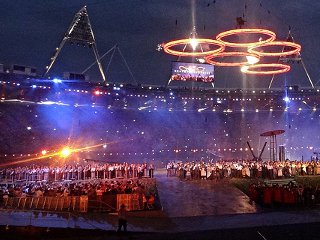
London’s opening ceremonies. (CC photo / Flickr user rabinal)

On one hand, a lot of people want to watch the Olympics, making it a dream for cable networks selling ad space and trying to increase cable subscriptions — the opening ceremony this year by director Danny Boyle on July 27th, for example, had record setting viewership records for telecast. But on the other hand, a strategy of live streaming that skips over, cuts short, and provides no alternative to a set-top television fails to embody the age-old tradition of bringing people together for the Games.

People gather together around all sorts of media nowadays, not just TV. Yet the Los Angeles Times quotes an NBC spokesman on the backlash, who says arrogantly, “It was never our intent to live stream the Opening Ceremony or Closing Ceremony. They are complex entertainment spectacles that do not translate well online because they require context, which our award-winning production team will provide for the large prime-time audiences that gather together to watch them.”

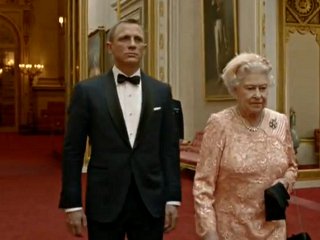
The opening telecast — on the BBC — included a six-minute short film, “Happy and Glorious,” which featured Queen Elizabeth and Daniel “James Bond” Craig. (See BBC’s article on the making-of.) NBC’s website uploaded a much shorter cut.

It’s a major strategic disconnect for NBC to ignore and skirmish such an audience. Uploading a few minute-long re-edits of a three-plus hour event isn’t a strategy. Pulling files from YouTube of the full-length opening short film with Queen Elizabeth and “James Bond” — now flooded with spam videos, the hit counts an indicator of the mass interest — isn’t a strategy. Citing complex content and a hook for context when on-air commentators are criticized for their ill-preparedness isn’t a strategy. It’s a negative, unfulfilled user experience that might have worked in 2002, but doesn’t fly in 2012.

This isn’t the only complaint. In an article entitled “every single person in America is pissed at NBC’s Olympic Games,” Gawker rounds up all of the criticism, with the most prevalent complaints surrounding telecast delays for west coast primetime. TIME ran an article about the dedication to “loved ones who couldn’t be with us,” cut out for the entire U.S. audience.

What’s going for the Olympic telecast this year, however, is a reduction of cut-away back-stories, long commercial breaks, and a limited quantity of sports. It’s a noticeable and welcomed improvement, but none of which impact online.

Before they prep the next ones, the Sochi 2014 Winter Olympics, NBC should consider the material they’re dealing with here. This isn’t the Oscars. This isn’t a boxing match. This ought to be a public service, a point of national pride. Monitize away, but please democratize and share — especially if your marketing hypes that they’re live-streaming the Olympics for free.


Author

Aaron Proctor
Founder, FWD:labs
Director of Photography site
Contact


  • Published in General

CC photo / Flickr kennymatic

Tipping points arrive on tip-toe. They don’t crash into our consciousness, they sneak up on us like jewel thieves in a museum at midnight.

Here’s the problem with that: marketers, media executives and content creators alike still talk about digital technology like it just got here yesterday. We’re all still running around trying all these new things, talking about disruption and platforms are popping up everywhere like weed clinics in Los Angeles (or like they used to, anyway) and this just happened and that just happened and you know what?

That’s no way to run a media/marketing/entertainment nexus.

Sure, acceleration is a major consequence of digital technology. But speed is a tactical challenge, not a paradigm shift.

What’s more, one of the things we love to go on about in this brave new interactive world is how we’re all about breaking down silos. This is bullshit. We’re just building one big new silo.

I’m a digital artist! I’m a digital startup! I’m a digital agency! Um, no. You’re an artist, a startup or an agency in a digital culture. The difference is immense.

Here’s a better way: When you settle down and accept that the digital aspects of your personal and professional lives are mundane, not exceptional, that’s where the real change happens.

The online news site Digiday ran a column today where the writer bemoaned the fact that there is no experiential equivalent of a Super Bowl online and that media buyers still use digital media not as brand builders but as ROI accumulators.

On the creative side, of course, there has yet to be any true breakout content that captures the zeitgeist in the way, say, American Idol does (or did). Ten million views of a video with roller-skating babies do not count. Neither does porn, although it is very experiential.

But I digress. The point is there will be an experiential equivalent of a Super Bowl. There will be an online American Idol. A little less bitching and a lot more preparing and you might just be ready when—not if—it happens.

Here’s the thing: we’ve been living la vida electronica for a couple of decades now. The oldest Millennials are over 30.

We don’t live digital lives. We live in a digital culture.

It’s not new anymore.

It just is.

When you understand that, you can stop ruminating about stuff that’s already a foregone conclusion. Like print. Magazines and newspapers aren’t going away, just the paper versions of them.

Done. Finished. Now let’s figure out how to make that work for publishers, writers, editors, designers and readers.

Or television. It’s going to morph with digital, particularly social networks. In fact, it already has. Marketers are going nuts about what they’re calling “social TV.” This is a mash-up that makes perfect sense and it’s only going to deepen.

Done. Finished. Now let’s figure out how to tell a story with moving pictures and sound or sell a product through video content in that reality.

Here’s what we’re building towards: a new kind of mass media—call it the cloud, call it the stream, call it whatever—in which we are all wired, all the time.

When that day dawns, and I doubt it’s more than 20 years out, you won’t know it. It will arrive quietly, on tip-toe. But it will turn your world inside out and upside down.

And if you start getting ready for it now, you’ll win then.


Author

Jack Feuer
Advisory Board, FWD:labs
Bio


[vimeo]http://vimeo.com/19334362[/vimeo]

I know you as a persistent, passionate filmmaker. How do you maintain that in the face of obstacles?

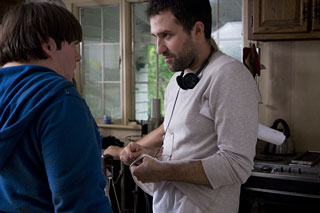
Justin Lerner Obstacles during filmmaking force you to be even more persistent and passionate, I think. The very act of making a film is one constant negotiation between logistics, finances and egos, keeping all in delicate balance while still trying to tell a story with your creative team. I’ve always seen conflict, frustration and difficulty as inextricable parts of the process. One of my professors in film school at UCLA used to tell us that making a film is similar in mindset to going to war. And nobody goes into a war thinking there will be no conflict, or that they’re going to come out on the other side with no bruises. Making a film is the same way.

When beginning a new project, I never think to myself, “Now this time, nothing is going to go wrong” and I never ask, “What can I do so that everything goes off perfectly.” Instead I usually say, “What’s going to go wrong this time – the same stuff as on the last one, or new stuff? And how do I prepare for it?” This is a more realistic and healthy mindset.

If you go into it knowing there will be conflicts on set, with your producers, with your actors, or with not having enough money to get everything you want – it forces you to be a more innovative storyteller. You prepare better and you’re forced to build more endurance. Most of my favorite directors have made what I consider to be their best films early on in their careers, before they got every toy they wanted, and the budget they wanted. They made great films because they had to think of creative ways around their problems, rather than just being able to pay for them to go away.

Conflict, limitations, frustration, disagreement – these are all inescapable parts of filmmaking, no matter what the size of the film. I guess I can only speak to indie films, because that’s all I’ve done, but I can’t imagine that studio films are much different in regard to the inevitability of obstacles. Maybe the stakes are higher because things are more expensive and there are simply more people and days involved.

What’s the most important piece of advice you’ve received as a filmmaker?

JL The best advice I’ve received wasn’t given to me specifically, but to an entire room of people at the 2008 Florida Film Festival. I was there with a short film I’d made at UCLA, and at the closing night Award Ceremony I watched Alex Holdridge win the grand prize for his feature film IN SEARCH OF A MIDNIGHT KISS.

When Alex walked up to accept the award, he said to the crowd something to the effect of (and I’m paraphrasing), “Don’t wait for anyone to give you permission to make your first movie. Because if you do, you’re just going to grow old. Nobody’s going to give you permission. So just make it.” At that time I had been struggling, waiting, trying unsuccessfully to find enough money to shoot what I wanted to be my first feature film – something I wrote that would have cost, well, not that much relative to most films made, but a lot for an indie, and a ton for me.

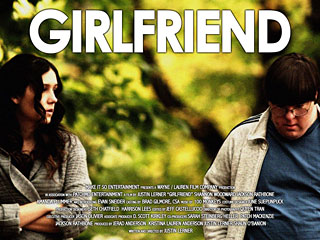
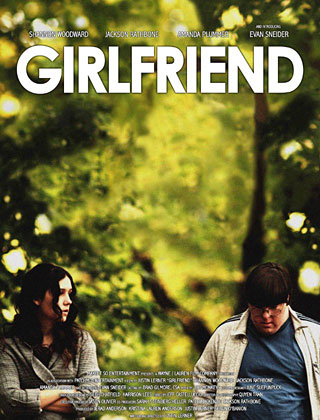
Because of what was going on in my life at the moment, I felt like being able to hear him say this was the reason I had gone to this festival. He was right – I was waiting for permission. So I took the advice to heart and decided to write a script I could make in my hometown for the amount of money I knew could realistically be raised. That script became “Girlfriend,” and a year later I was on the set of my first feature film. A year after that I was at Toronto Film Festival premiering it.

Hearing Alex say what he said made everything crystallize. It was a turning point for me in the way I went about everything in my professional life. It’s funny – I’ve never actually been able to meet him, so if you’re out there, Alex, thank you!

Audiences can now rent your film on Netflix. How does that feel in comparison to film screenings or the DVD release? Has that changed how you measure success?

It’s a huge thrill that people all over will now be able to see what my team I worked so hard on for years. We did a dozen film festivals and came out theatrically in a few cities, but if you weren’t at those festivals, or if you weren’t in New York, LA or Boston during those brief weeks we were in theaters, there was no way for you to see the film.

The goal for anyone who makes their first indie feature, I think, isn’t to make millions of dollars, but it’s to have as many people as possible see your work. It’s your chance to introduce yourself artistically to the world. And while we all want to have our films screened large, projected, in a theater (and I’m thankful that “Girlfriend” was able to do that), I think that Strand Releasing putting the film out on DVD, VOD, and Netflix is a huge win for everyone who put so much time and love into it. I feel fortunate to have been able to make a film in the first place, and now that people from everywhere in the USA and Canada can see it – that’s a huge success in my mind, and I feel very fortunate.

More to Watch

Check out all of Justin’s UCLA short films on his website.

What next for you?

JL I’m in the very early stages of putting together my next feature film, another indie, called THE AUTOMATIC HATE. It’s the second part of an informal trilogy I’d like to make of “impossible love” or “taboo love” stories, “Girlfriend” being the first part.

###

“Girlfriend” will be released by Strand Releasing August 7, 2012. Add the film to your Netflix Queue or buy the DVD on Amazon.


Author

Aaron Proctor
Founder, FWD:labs
Director of Photography site
Contact


What makes “Breaking Bad” a success? According to one tweet, series creator Vince Gilligan notes, “It’s a lot blood, sweat and tears. And six great writers.”

This showrunner embraces curveballs:

Being open to change and constant discovery has yielded strong results for Gilligan. In fact, so much so Gilligan has been able to create twice as many hours of Breaking Bad than what he originally planned. “Having a rock solid idea of how it all should end is counterproductive,” Gilligan says, “If you’re too rigid in your thinking you may miss some wonderful opportunities for storytelling.” (via Fast Company)

Almost never off the ground with studios taking a pass, plus “Weeds” already greenlit around the same time, the initial season also had the strike:

The streak of bad luck continued with the writers strike, which cut Breaking Bad’s original 13-episode first season to seven. But in hindsight, many involved call the forced pause a blessing because it allowed Gilligan and his writers time to gather their thoughts. (Early plans for the series included killing off Paul’s character.) Nonetheless, it was enough time for the TV Academy to recognize that here was something special. (via The Hollywood Reporter)

Despite all the hurdles, and inclusive of numerous accolades and critical acclaim, Gilligan sees a charming value in coming to the end:

I’m going to tell every goddamn last bit of story I can possibly get in there with these next 16 episodes. I want it to end with the last 10 seconds of picture on the very last episode and I want– My fervent dream is for this show to end and for people to say, ‘Oh my God, that was what I hoped for and I’m going to miss it – now, what’s on next?’ (via Rolling Stone)


Author

Aaron Proctor
Founder, FWD:labs
Director of Photography site
Contact